🥕
Tending the crop…
Stay ahead of the 2027 growing season — first month free on any plan until January 1st
Tending the crop…
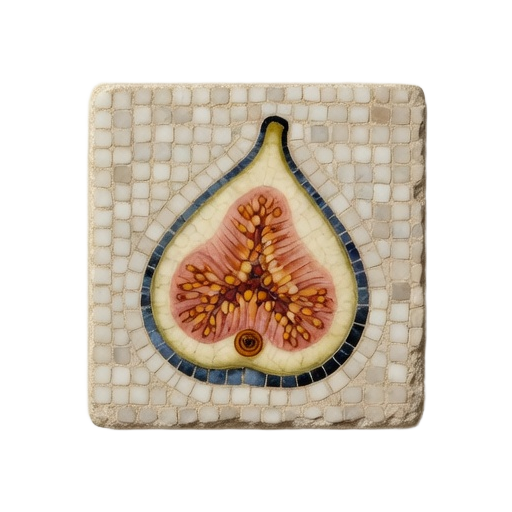
Ficus carica
Drought-tolerant once established. Two crops a year in warm zones.
Asia Minor and the Mediterranean
“Figs were the first 'domesticated' crop, predating grains by thousands of years. They were a staple of the Roman diet—considered so vital that to cut down a man's fig tree was considered an act of war.”
The tree of sanctuary and peace. The biblical phrase 'to sit under one's own vine and fig tree' remains the universal image of homestead independence and security.
Did you know? Figs aren't technically a fruit—they are an inverted flower! The 'seeds' inside are actually the result of hundreds of tiny internal blossoms.
One figs plant produces roughly 15 lbs. Worth $134.85 vs a $24.99 seed cost.
Lineages for your homestead goals
The all-purpose homestead favorite; resilient, prolific, and produces large sugary fruits.
The toughest fig known; can die back to the ground in winter and still fruit next season.
Often called the 'Sugar Fig'; produces smaller, violet-colored fruits with a rich honey flavor.
The gold standard for flavor; exceptionally sweet, jammy, and reliable in warm climates.
Soil · Water · First 30 days · Monthly care · Troubleshooting · Harvest
Well-draining soil. pH 6.0–6.5. Figs tolerate poor soil better than most fruit trees. Avoid overly fertile soil — excess nitrogen pushes foliage over fruit.
Deep water weekly when young. Once established (year 2+), extremely drought tolerant. Reduce watering in late summer to trigger fruit ripening and sweetness.
Inconsistent watering or nitrogen excess. Water deeply and consistently. Ease off fertilizer. Heavy crop load also causes drop — thin fruit if needed.
🌿 Find remedies →No cure. Spread by mites. Keep mites controlled with neem oil. Remove severely affected plants. Buy certified virus-free stock.
🌿 Find remedies →Rapid water uptake after dry period. Keep irrigation consistent, especially as fruit ripens. Pick promptly when ripe.
🌿 Find remedies →Figs don't ripen off the tree. Pick when fruit droops downward, skin cracks slightly, and a drop of nectar appears at the eye. Ripe figs are soft and fragrant.
Use within 2–3 days at room temp or 1 week refrigerated. Dry in a low oven (135°F, 8 hours) for shelf-stable dried figs. Jam or preserve surplus.