
I mistrust a bare zone number the way I mistrust a too-perfect seed photo. If somebody tells you they're in "zone 7" and stops there, that's an address with no street. It's also one of the most useful single pieces of information you can add to a garden, once you understand what it can and can't do.
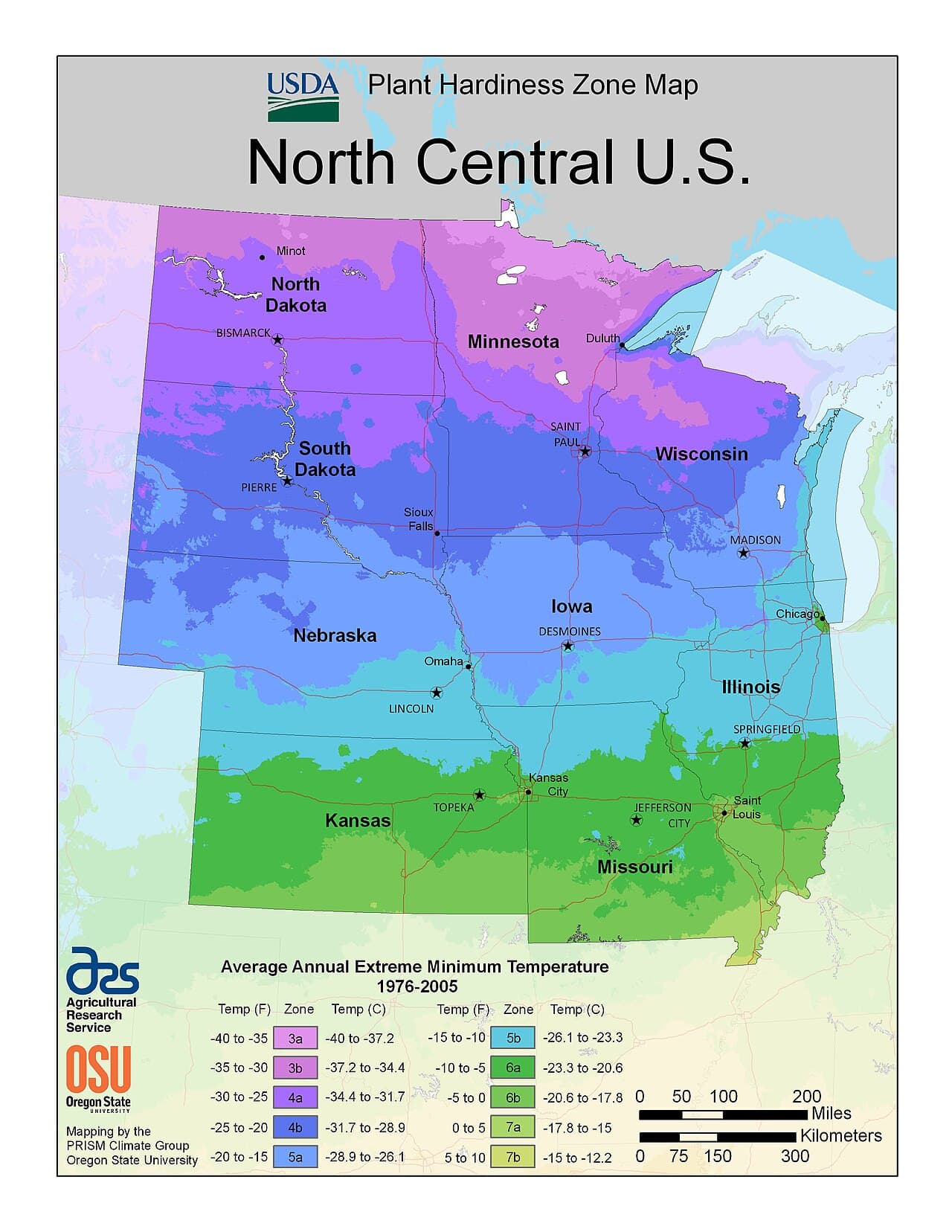
The USDA hardiness zone is really just a cold map. Each band is ten degrees of average annual minimum winter temperature, with the a/b split cutting each in half. Zone 7, for instance, means your typical winter low sits somewhere around zero to ten degrees Fahrenheit. That is all the number means. It tells you whether an outdoor perennial like a certain rosemary or fig is likely to survive your winter. It does not tell you when to plant lettuce, and it is completely silent on rain, soil, or summer heat.
The gravity of this is older than the term. Gardeners have been planning around frost rather than zones for a very long time — the Old Farmer's Almanac has been publishing frost-date guidance continuously since 1792, which makes it the oldest continuously running periodical in North America. People were doing your exact planning math before the USDA ever drew a map. Zone and frost-date are two halves of one question, and you need both.
What a Zone Fills In For You
Your zone is the permanent backdrop. It tells you which perennials, trees, and shrubs will be standing there next spring. That's genuinely valuable and genuinely unavailable any other way. It's why a robust nursery tag lists a zone range, and why ignoring it is how people buy a beautiful borderline-hardy plant twice.
- Zones 2–4: short seasons, real cold. You grow fast, cold-tolerant things and you start them early.
- Zones 5–7: the wide middle. The bulk of America's vegetable gardening lives here, with plenty of crops and a real frost window to work.
- Zones 8–10: mild to warm. Long, sometimes year-round seasons, and your clock is set by heat and rainfall rather than frost.
What the Zone Will Not Tell You
Here's the honest boundary of the map. The zone is an average, not a promise. One hard winter can still take down a plant that's technically rated for your zone, and a frost pocket in a low spot on your property can behave a full zone colder than your mailbox says. Everyone I know who gardens for more than a few years ends up discovering their own microclimates anyway — the warm corner against the south wall, the cold dip by the drive.
That's the second half of the puzzle. Frost dates are how you time things, and the almanac tradition of counting back from the last frost date is still exactly how professionals and amateurs alike do it. Every seed packet asking you to start six weeks before last frost gives you is only useful because your frost date is real and knowable.
Turn the Map Into a Planting Calendar
This is why the zone lookup here matters more than the badge. Plug in your ZIP and you don't just get a number, you get a working version of your frost dates and the season lengths they draw for you. It's free, it takes about ten seconds, and it converts a map into an actual calendar. Use the zone lookup when you plan anything that goes in the ground, and keep the almanac's old habit of counting back from your last frost — it has done right by gardeners for over two centuries.
Get your zone right, watch what your own garden actually does, and the number stops being trivia and starts being the frame your whole season hangs on.
Zone: the number you set your calendar by, and nothing braver than that.