
Every seed has a countdown written into it, and if you miss the start you don't just lose a crop, you lose the season for that crop. The good news is the math is simple: most seeds want to go in about six to eight weeks before your last frost date, and the precise number is on the packet if you buy from a decent seed house. The trouble is people start everything on one Saturday in March and hope, which is exactly how you end up with twelve leggy tomatoes and no peppers.
I gave up on guessing the same week I stopped gardening from my phone. The real way is to know your frost date first, then count backward from it per crop, and then keep a little chart so you're not redoing the math every year. It's not romantic, but it is exactly how the people who grew food seriously did it before apps — the old almanac tradition of counting back from the last frost is older than state lines. The planting calendar is a hand-me-down, and it still works.
The Openers You Most Often Blow
- Tomatoes and peppers want a clean six to eight weeks indoors before last frost. Start in early spring for a mid-season, start later and you lose the heat-loving weeks at the end.
- Broccoli and cabbage start even earlier, eight to ten weeks, because they want to be transplanted while it's still cool.
- Onions and celery want a still-colder start, up to ten to twelve weeks for the longest-season types.
- Fast roots like radishes and carrots, and most greens, skip indoors entirely — they get sown straight out.
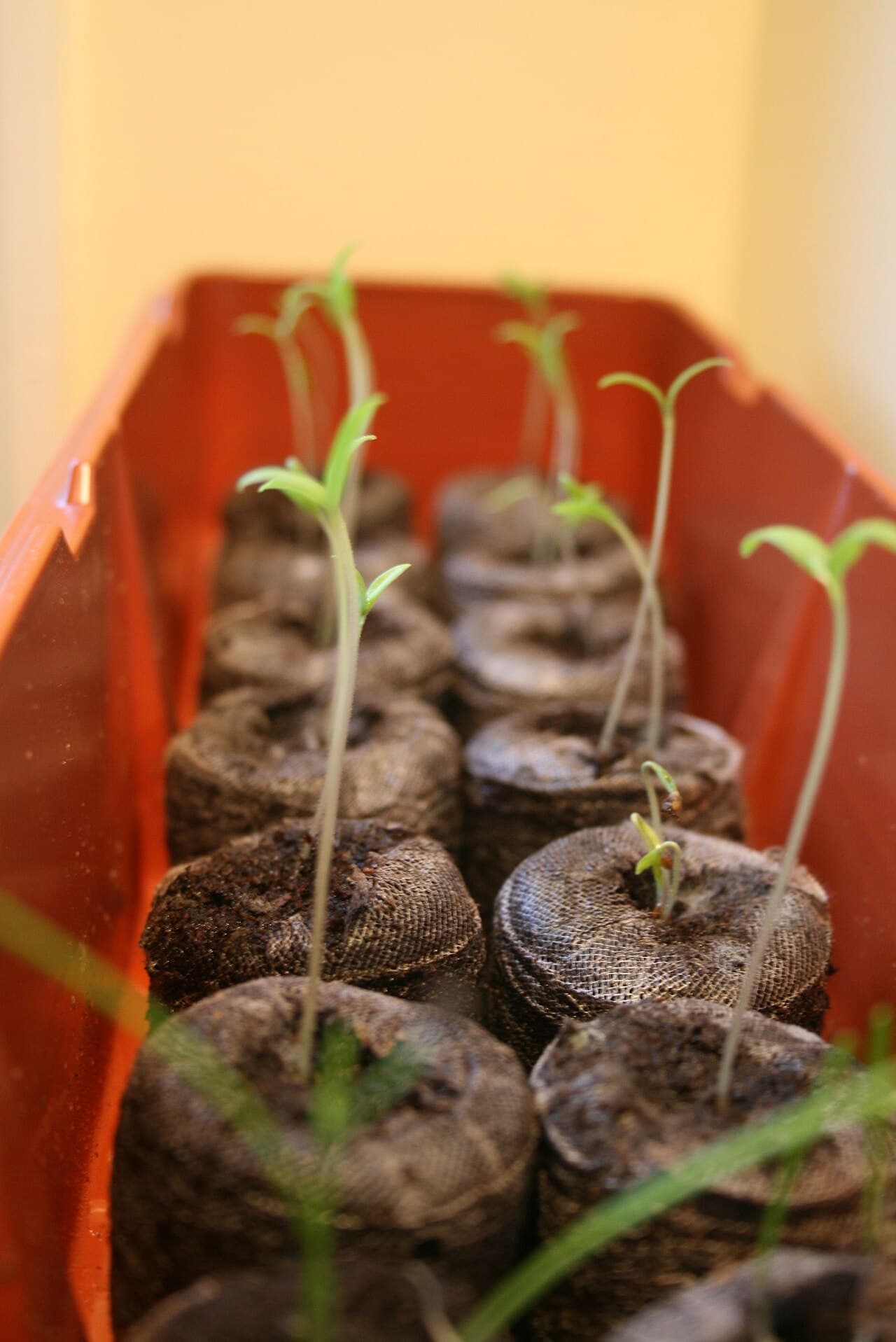
If you've never started seeds before, resist the urge to sow everything. Half the skill is restraint. A house full of leggy seedlings is usually not ambition gone right, it's someone who started everything too early with weak light. Two or three trays, a solid grow light, and a fan are genuinely all you need.
The gear that changes the seed game
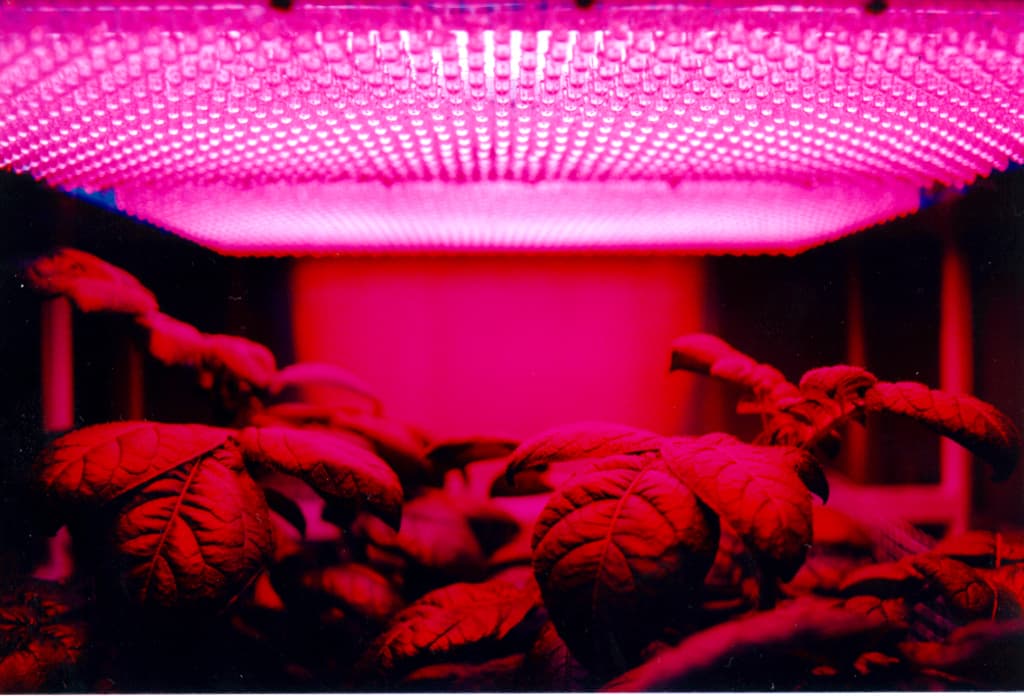
A seed starting kit with a grow light. The honest con is that cheap kits come with too little light; spend a little more and get a fixture that actually reaches the tray. With decent light, timing is half the battle, and the other half is only starting what you'll actually plant.
The Zone Shortcut
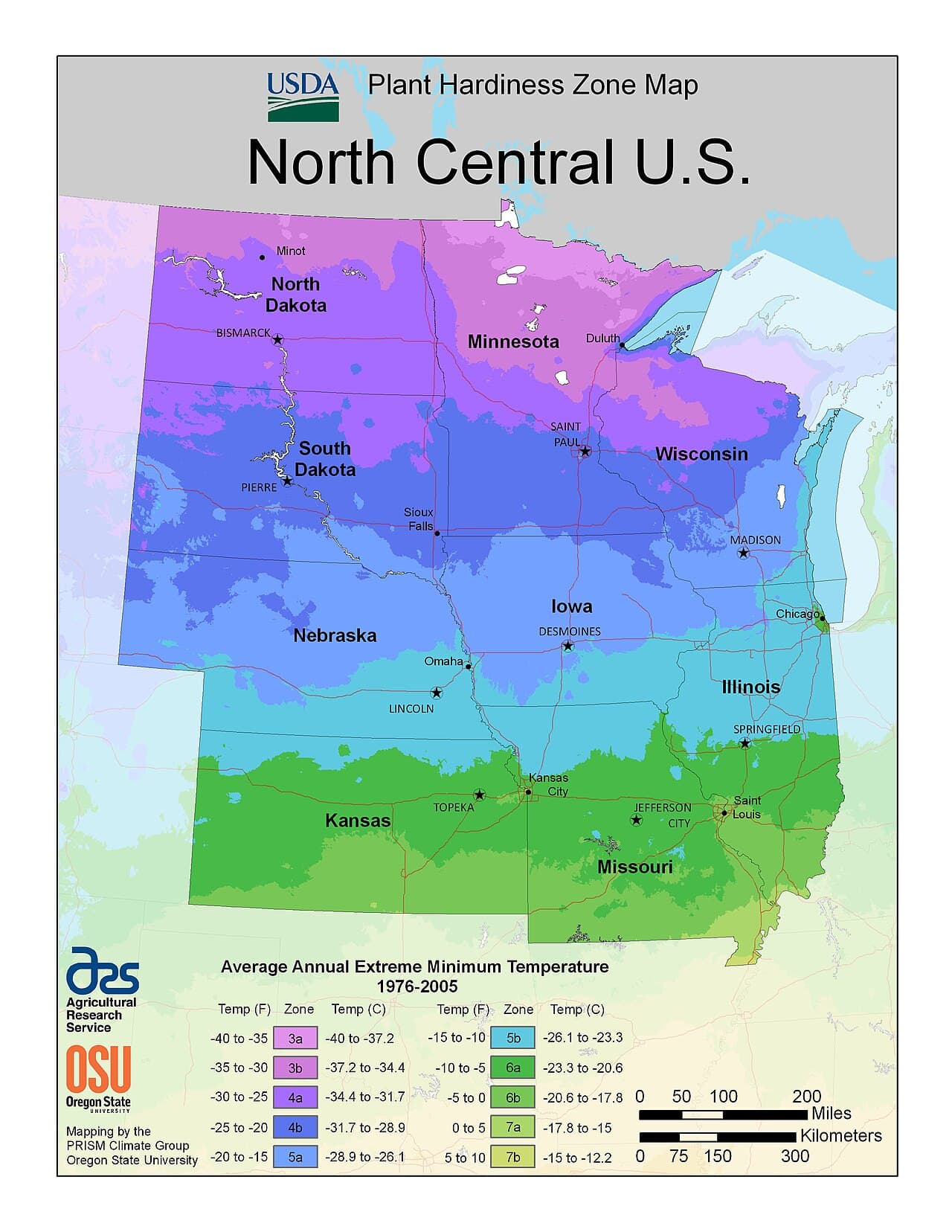
This is where the frost date does the work. Plug into the zone lookup here and you get your last and first frost dates, from which every seed start counts back and forward. Write them on a card, tape it to the shed, and let the calendar run itself. The two the seed packets ask you for last frost and days to maturity are the whole puzzle, and our tool hands you both without a morning of math.
Start on the frost date, not on a feeling, and your seedlings move out to the garden at the exact moment they have the best shot. That single habit fixes more gardens than any soil amendment ever will.
This post contains an affiliate link; we may earn a commission at no extra cost to you.