🥕
Tending the crop…
Stay ahead of the 2027 growing season — first month free on any plan until January 1st
Tending the crop…
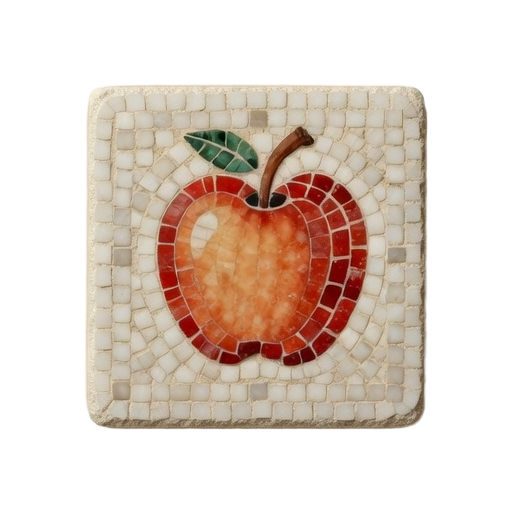
Malus domestica
Most varieties need a pollination partner. Choose dwarf or semi-dwarf for small spaces.
Tian Shan Mountains, Kazakhstan
“Every apple on earth is a descendant of the 'Malus sieversii', a wild forest apple from Central Asia. They traveled west with the Silk Road. In the American frontier, John Chapman (Johnny Appleseed) spent 40 years planting nurseries of cider apples across the Midwest.”
The universal symbol of knowledge, temptation, and the home. Planting an apple tree is the ultimate act of homesteading—a commitment to feeding oneself and one's neighbors for decades to come.
Did you know? Apples are 'extreme heterozygotes'—meaning if you plant the seeds from a Fuji apple, the resulting tree will produce fruit that looks and tastes completely different from a Fuji!
One apple tree plant produces roughly 50 lbs. Worth $99.50 vs a $34.99 seed cost.
Lineages for your homestead goals
The modern dessert king; famous for its explosive crunch and perfect balance of sweet and tart.
A reliable all-purpose heirloom-hybrid style; sweet, mild, and exceptionally prolific in home gardens.
The baker's selection; firm, green-skinned fruits with a sharp, refreshing acidity.
One of the last to ripen in the fall; incredibly dense and sweet with a long storage life.
Soil · Water · First 30 days · Monthly care · Troubleshooting · Harvest
Well-draining, fertile loam rich in organic matter. pH 6.0–7.0. Amend with compost before planting. Avoid low spots or areas with poor drainage — apple roots rot in standing water.
1–2 inches per week during establishment. Mature trees: deep water every 2–3 weeks during dry periods. Water at base. Consistent moisture during fruit development prevents drop and cracking.
Prune for airflow. No overhead watering. Apply fungicide preventatively from bud break. Choose scab-resistant varieties (Honeycrisp, Liberty, Enterprise).
🌿 Find remedies →Remove and destroy fallen fruit. Apply pheromone traps to monitor. Trunk bands trap descending larvae. Kaolin clay spray deters egg-laying.
🌿 Find remedies →Prune 8–12 inches below visible damage. Disinfect pruning shears between every cut with bleach. Streptomycin spray at bloom. Act fast — it spreads rapidly.
🌿 Find remedies →Pick when fully colored, firm, and the fruit separates with a gentle upward twist — don't pull straight down. Use garden scissors to cut the stem 1/4 inch above the fruit for long-term storage.
Cool (32–40°F), humid, ventilated location for 2–6 months depending on variety. Check weekly for rot and remove affected fruit. Different varieties have very different storage lives.