🥕
Tending the crop…
Stay ahead of the 2027 growing season — first month free on any plan until January 1st
Tending the crop…
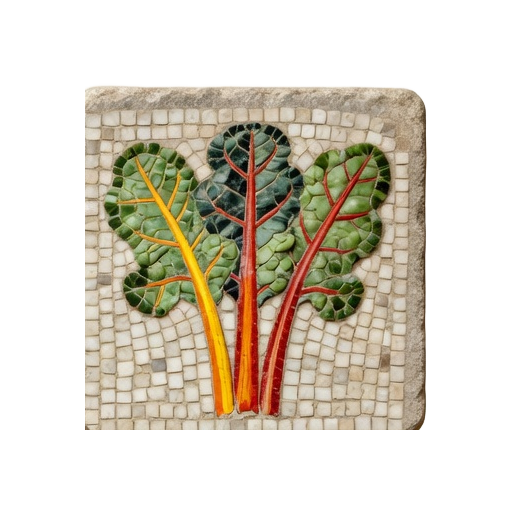
Beta vulgaris var. cicla
Beautiful rainbow stems. Heat and cold tolerant.
The Mediterranean / Sicily
“Tied closely to the ancestor of the beet. Aristotle praised the plant for its health Benefits in the 4th century BC. It was actually the Sicilians who bred Chard into its large, leafy form with the iconic colored stalks we know today.”
Represents variety and artistry in the garden. Because of its 'Rainbow' genetics, it stands for the diversity of nature and the beauty of resilience (as it handles heat better than spinach).
Did you know? Despite the name, Swiss Chard isn't from Switzerland! It was named by a Swiss botanist (Karl Koch) who first described it scientifically in the 19th century.
One swiss chard plant produces roughly 3 lbs. Worth $11.97 vs a $2.49 seed cost.
Lineages for your homestead goals
The showstopper; produces a mix of stalks in brilliant red, pink, orange, yellow, and white.
The reliable heavy-hitter; massive ivory-white stalks and large crinkled deep-green leaves.
Features translucent, crimson-red stalks and dark-green leaves—intense color even during heat.
A gourmet heirloom with smooth leaves that taste remarkably like spinach but stay productive all summer.
Soil · Water · First 30 days · Monthly care · Troubleshooting · Harvest
Well-draining soil rich in organic matter. pH 6.0–7.0. Amend with compost and balanced fertilizer. Swiss chard is one of the most forgiving vegetables — it tolerates poor soil better than most.
1–1.5 inches per week, deeply to encourage deep roots. Mulch to retain moisture and regulate temperature. Chard handles drought better than most leafy greens.
Remove and destroy affected leaves. Row covers prevent adult flies from laying eggs. Sticky traps for monitoring.
🌿 Find remedies →Consistent moisture + regular harvesting delays bolting. Provide partial shade in extreme heat. Once it bolts, flavor turns bitter.
🌿 Find remedies →Improve airflow. No overhead watering. Copper-based fungicide at first sign. Thin overcrowded plants.
🌿 Find remedies →Cut outer leaves at 6–8 inches long with garden scissors, 1–2 inches from the base. Leave the inner crown intact. Harvest every 1–2 weeks to keep production going all season.
Refrigerate unwashed in a perforated bag up to 1 week. Blanch and freeze for up to 12 months. Stems and leaves can be frozen separately.