🥕
Tending the crop…
Stay ahead of the 2027 growing season — first month free on any plan until January 1st
Tending the crop…
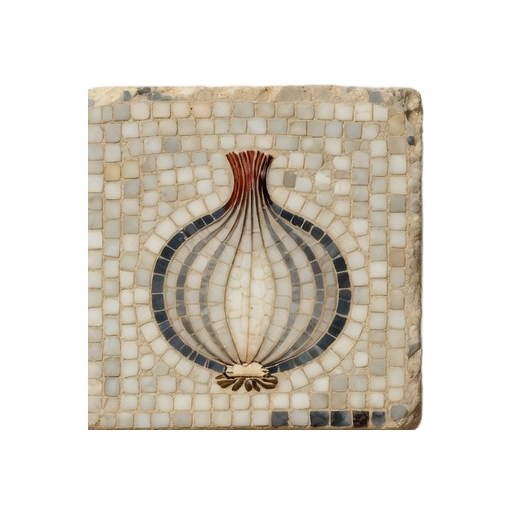
Allium cepa
Long-season crop — starts from seed or sets. Stop watering when tops fall over to allow curing in the ground.
Central Asia
“Ancient Egyptians worshipped the onion, believing its spherical shape and concentric rings represented eternal life. They were found in the tombs of Pharaohs and used to pay the laborers who built the Great Pyramids.”
Representing complexity and the multilayered nature of life. A staple of culinary foundations across every major world civilization.
Did you know? Sulfur absorbed from the soil is what makes onions make you cry. Chilling them before cutting slow down the enzyme release.
One onion plant produces roughly 8 lbs. Worth $7.12 vs a $4.99 seed cost.
Lineages for your homestead goals
The versatile kitchen workhorse; strong flavor that mellows beautifully with heat.
Famous for its high sugar content—mild enough to eat like an apple.
Crisp and colorful; best for raw use in salads, sandwiches, and as a garnish.
A mild, flat-shaped heirloom dating back to the 19th century.
Soil · Water · First 30 days · Monthly care · Troubleshooting · Harvest
Loose, well-draining soil with plenty of organic matter. pH 6.0–6.8. Amend with compost. Avoid high-nitrogen fertilizers — they push foliage over bulb development.
1 inch per week, evenly moist but not waterlogged. Reduce watering significantly the last 2–3 weeks before harvest to prevent disease and improve storage quality.
Plant correct day-length varieties for your region (long-day for north, short-day for south). Avoid temperature swings during early growth.
🌿 Find remedies →Consistent watering during bulb development. Avoid excess nitrogen fertilizer.
🌿 Find remedies →Proper spacing (4–6 inches), 6+ hours sun, and correct variety for your region's day length are all essential.
🌿 Find remedies →Harvest when tops have yellowed and fallen over — typically 90–120 days after planting. Lift with a garden fork and cure on the soil surface 2–3 days if weather is dry.
Cure in a warm, dry, ventilated spot for 2–3 weeks until necks are completely dry. Store in mesh bags at 40–50°F with 60–70% humidity for 6–8 months.