🥕
Tending the crop…
Stay ahead of the 2027 growing season — first month free on any plan until January 1st
Tending the crop…
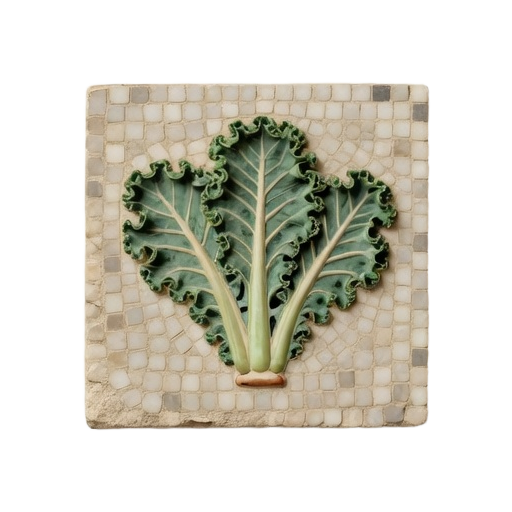
Brassica oleracea var. sabellica
Cold hardy superfood. Sweeter after frost.
The Mediterranean and Asia Minor
“Kale is essentially the original, wild form of the cabbage family. Until the Middle Ages, it was the most common green vegetable in Europe. During WWII, the British government actively promoted kale as a vital source of vitamin C to prevent malnutrition.”
Representing resilience and hardiness. Kale is the 'winter survivor' that stays green when the rest of the garden has long since perished under the snow.
Did you know? Kale's flavor actually improves after a hard frost! The plant converts starches into sugars to prevent its cells from freezing, making the leaves much sweeter.
One kale plant produces roughly 3 lbs. Worth $10.47 vs a $2.49 seed cost.
Lineages for your homestead goals
Beautiful, dark blue-green puckered leaves with a rich, nutty, almost earthy flavor.
A stunning heirloom with violet-purple ruffled leaves that intensify in color after a frost.
Compact and prolific; produces densely ruffled leaves that are exceptionally cold-hardy.
Features oak-like leaves with reddish-purple veins; the sweetest and most tender of all kales.
Soil · Water · First 30 days · Monthly care · Troubleshooting · Harvest
Fertile, well-draining soil. pH 6.0–7.5. One of the most forgiving vegetables. Mix in compost. Tolerates clay better than most crops.
1–1.5 inches per week. Fairly drought tolerant once established. Consistent moisture gives larger, more tender leaves.
Inspect weekly. Handpick or spray with Bt (Bacillus thuringiensis) — safe for edibles, deadly to caterpillars.
🌿 Find remedies →Strong water spray knocks most off. Neem oil weekly as prevention. Ladybugs and lacewings are natural controls.
🌿 Find remedies →Harvest during heat, or plants stressed. Grow in cool weather, water consistently, harvest young outer leaves.
🌿 Find remedies →Harvest outer leaves when 6–8 inches long. Leave at least 4 center leaves for continued growth. After frost, leaves become noticeably sweeter.
Refrigerate in damp bag up to 1 week. Blanch and freeze for up to 8 months. Massage raw leaves with olive oil to tenderize for salads.