🥕
Tending the crop…
Stay ahead of the 2027 growing season — first month free on any plan until January 1st
Tending the crop…
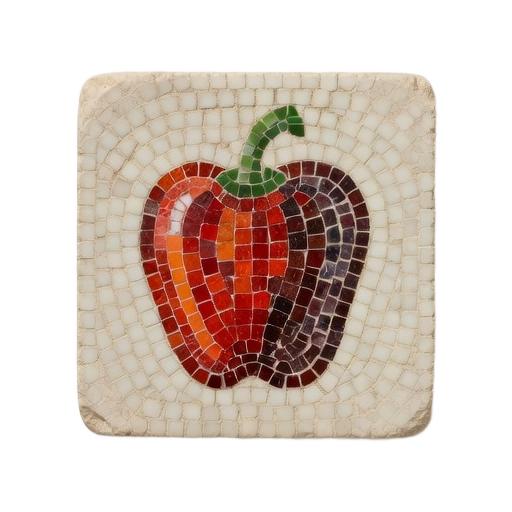
Capsicum annuum
Needs warmth to start — transplant after last frost when soil is warm. Peppers that ripen on the plant taste dramatically sweeter than those picked green.
Pick the form that fits your garden
South and Central America (Mexico, Guatemala)
“All peppers — from the mildest bell to the fieriest ghost — descend from wild Capsicum plants domesticated in what is now Mexico and Guatemala around 6,000 BCE, making them one of the oldest cultivated crops in the Americas. Columbus brought pepper seeds back to Spain and renamed them 'pimiento' after confusing them with Piper nigrum (black pepper), a different plant entirely. The spice trade was partly driven by European attempts to grow and monopolize New World peppers. In the American South, bell peppers became a defining ingredient of Creole cooking, especially after the Haitian Revolution brought refugee cooks to New Orleans.”
In Korean cooking, gochugaru (crushed red pepper) is so fundamental it has its own tradition — families roast and grind peppers together each fall, and the smell of it cooking is one of the most potent triggers of autumn in Korea. In Hungarian cuisine, paprika made from a specific sweet pepper variety became a national identity marker after a flood in Szeged destroyed the pepper crop and motivated the breeding of indoor-adapted varieties. Growing peppers connects you to a spice history that crossed oceans and changed hands dozens of times before arriving at your kitchen.
Did you know? The heat in hot peppers comes from capsaicin, a compound that tricks the body into thinking it's experiencing actual heat — the body responds by releasing endorphins, which is why people describe eating hot peppers as a 'rush.' A bell pepper contains zero capsaicin; a ghost pepper (bhut jolokia) contains roughly 200 times more.
One pepper (bell & sweet) plant produces roughly 8 lbs. Worth $10.32 vs a $5.99 seed cost.
Lineages for your homestead goals
Classic and reliable variety.
Classic and reliable variety.
Classic and reliable variety.
Classic and reliable variety.
Soil · Water · First 30 days · Monthly care · Troubleshooting · Harvest
Well-draining loam or sandy loam. pH 6.0–6.8. Mix in compost. Avoid waterlogged soil — peppers hate wet feet and will drop leaves.
1 inch per week. Drought-tolerant once established but consistent moisture gives the best fruit size. Reduce slightly when fruit is ripening.
Classic and reliable variety.
Classic and reliable variety.
Too much direct sun on fruit. Ensure foliage covers fruit. Plant slightly closer together for natural shade.
🌿 Find remedies →Temps above 90°F or below 60°F cause drop. Provide afternoon shade in heat waves. Be patient.
🌿 Find remedies →Knock off with water spray. Apply neem oil weekly as prevention. Ladybugs are your allies.
🌿 Find remedies →Green peppers: harvest when full-sized and firm (faster, more yield). Colored peppers: leave on plant until fully red/yellow/orange for maximum sweetness.
Refrigerate in crisper drawer up to 2 weeks. Slice and freeze for cooking. Roast and freeze whole for stuffed peppers all winter.