🥕
Tending the crop…
Stay ahead of the 2027 growing season — first month free on any plan until January 1st
Tending the crop…
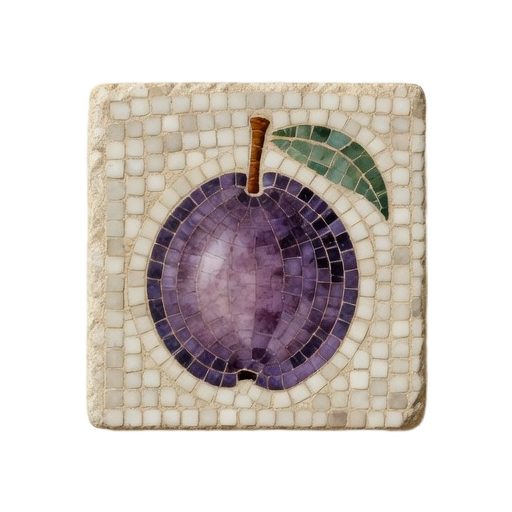
Prunus domestica
Japanese plums need a pollinator; European types are self-fertile.
Caspian Sea region (Border of Europe and Asia)
“Plums were among the first fruits to be cultivated by humans. They were brought to Rome from the East as early as 65 BC, and by the peak of the empire, there were already over 100 distinct varieties being grown across Italy.”
A symbol of transformation—from the vibrant blossom of spring to the nourishing fruit. In Samurai culture, plums represented perseverance because they bloom while snow is still on the ground.
Did you know? Plums are part of the Rose family! They are closely related to almonds and peaches, all sharing the same genus, Prunus.
One plum tree plant produces roughly 25 lbs. Worth $62.25 vs a $24.99 seed cost.
Lineages for your homestead goals
The world-famous Japanese plum; large, purple skin with a rich, yellow flesh.
The classic 'prune' plum; deep blue oval fruits with heavy, syrupy-sweet flesh.
Heritage English plum with a tart, spicy flavor—unrivaled for making jams and preserves.
Beautiful early-season variety with red-to-pink skins and an intense, pineapple-like flavor.
Soil · Water · First 30 days · Monthly care · Troubleshooting · Harvest
Well-draining, fertile soil rich in organic matter. pH 6.0–7.0. Amend with compost. Plums are adaptable — more tolerant of clay soils than peaches, but still need drainage.
1–2 inches per week during establishment. Mature trees: deep water every 2–3 weeks. Water at base. Consistent moisture during fruit development prevents cracking and drop.
Prune 8–12 inches below visible swelling. Disinfect shears between cuts. Apply fungicide during dormancy. Remove infected branches from the property entirely.
🌿 Find remedies →Collect and destroy fallen fruit daily. Kaolin clay spray at petal fall. Appropriate insecticide if pressure is high.
🌿 Find remedies →Pick fruit promptly at ripeness. Remove infected fruit immediately. Apply fungicide at bloom. Avoid overhead watering.
🌿 Find remedies →Pick when fully colored, fragrant, and slightly soft at the tip. Use garden scissors to cut stem 1/4 inch above fruit. Japanese plums: eat fresh within days. European plums: can hang longer, excellent for drying.
Room temperature 1–2 days to finish ripening. Refrigerate ripe fruit up to 1 week. Freeze halved and pitted for up to 12 months. Dry European varieties into prunes at 135°F for 8–10 hours.