🥕
Tending the crop…
Stay ahead of the 2027 growing season — first month free on any plan until January 1st
Tending the crop…
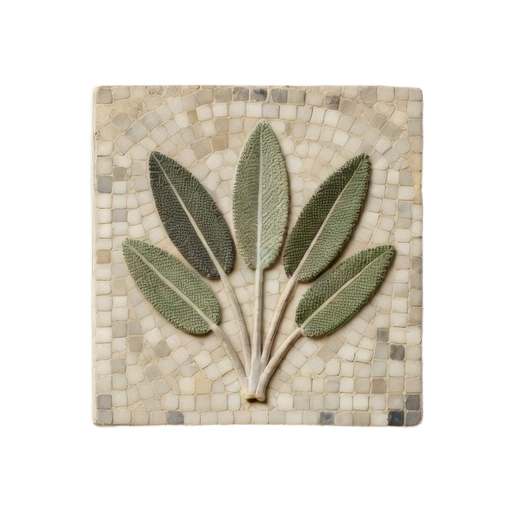
Salvia officinalis
Woody perennial. Silvery leaves, gorgeous bloom.
The Mediterranean / Asia Minor
“The name 'Salvia' comes from the Latin 'salvare' (to save or heal). Ancient Romans considered it a sacred herb, harvested in a specific ceremony without iron tools. They believed sage enhanced memory and wisdom—attributes still linked to the word 'sage' today.”
A symbol of wisdom and eternal life. In many traditions, burning sage (smudging) is used to clear negative energy and create a sanctuary of peace and mental clarity.
Did you know? Sage leaves are covered in thousands of tiny hairs (trichomes) that store its fragrant oils. These hairs act like an insulating blanket, allowing the plant to survive both extreme heat and freezing cold.
One sage plant produces roughly 0.5 lbs. Worth $1.50 vs a $2.99 seed cost.
Lineages for your homestead goals
The culinary workhorse; soft, silvery-green leaves with an intense, savory peppery-pine flavor.
A stunning ornamental variety with violet-infused leaves; features a milder, more delicate flavor.
A visual masterpiece with mottled green, cream, and pink foliage; adds incredible beauty to the garden.
A German heirloom with massive, rounded leaves; exceptionally vigorous and rarely produces flowers.
Soil · Water · First 30 days · Monthly care · Troubleshooting · Harvest
Well-draining, sandy or gravelly soil. pH 6.0–7.0. Light compost amendment. Like rosemary and thyme, lean soil produces more flavorful, aromatic leaves.
Deep, infrequent. Allow soil to dry between waterings. Established plants are drought-tolerant — 1 inch every 1–2 weeks during dry spells.
Poor drainage or overwatering. Sage roots need to breathe. Sandy soil and raised beds are ideal. Reduce watering immediately.
🌿 Find remedies →Prune hard by one-third each spring. Sage naturally goes woody with age — replace plants every 3–4 years if they stop producing well.
🌿 Find remedies →Improve airflow between plants. No overhead watering. Apply sulfur-based fungicide at first sign. More common in humid climates.
🌿 Find remedies →Cut stems 1–2 inches from base with garden scissors before flower buds fully open — this is when flavor peaks. Morning harvest. Never take more than one-third at once.
Refrigerate unwashed in perforated bag up to 1 week. Dry hanging in dark, ventilated area 2–3 weeks — airtight jar lasts 6 months. Brown butter + sage is one of the best herb applications.