🥕
Tending the crop…
Stay ahead of the 2027 growing season — first month free on any plan until January 1st
Tending the crop…
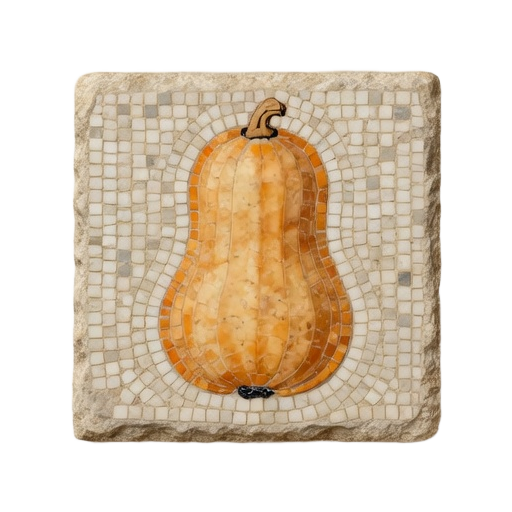
Cucurbita moschata
Winter squash. Stores for months after harvest.
The Americas (Massachusetts, USA for this variety)
“While ancestors originated in Central America, the 'Butternut' we know was developed in the 1940s by Charles Leggett in Stow, Massachusetts. He wanted a squash that was easier to process and tastier than the existing Hubbard types.”
Represents sustenance and security. Its thick, hard rind allowed it to survive the winter in non-refrigerated root cellars, making it the primary fuel for homesteaders during the coldest months.
Did you know? Butternut squash is technically a fruit, and its seeds are packed with nutritional oils. It is much higher in Vitamin A and C than even the most colorful summer squashes.
One butternut squash plant produces roughly 10 lbs. Worth $19.90 vs a $3.49 seed cost.
Lineages for your homestead goals
The award-winning classic; reliable, producing 4-lb fruits with uniform results and excellent flavor.
A gourmet miniature variety; bred for a more concentrated, intensely sweet flavor and smaller size.
A space-saving bush variety; produces high yields of smaller, sweet fruits on much shorter vines.
A massive Armenian heritage variety; producing long, curved fruits with a rich, nutty pulp.
Soil · Water · First 30 days · Monthly care · Troubleshooting · Harvest
Rich, well-draining soil with plenty of organic matter. pH 5.5–6.8. Amend with compost and balanced fertilizer before planting.
1–2 inches per week during flowering and fruit development. Reduce as fruits mature. Water at the base only.
Hand-pollinate early morning if bee activity is low. Male flowers appear first — female flowers have a tiny squash at the base.
🌿 Find remedies →Consistent soil moisture + calcium. Apply gypsum if needed. Mulch to even out watering.
🌿 Find remedies →Handpick adults and bronze egg clusters from leaf undersides. Destroy crop residue after season. Row covers on transplants.
🌿 Find remedies →Harvest when skin is fully tan and hard, stem drying, and thumbnail test fails (can’t pierce skin). Cut with pruning shears leaving 2–3 inch stem.
Cure at 80–85°F for 10–14 days. Store at 50–55°F, dry and ventilated for 2–6 months. Best flavor after 4–6 weeks of curing.