🥕
Tending the crop…
Stay ahead of the 2027 growing season — first month free on any plan until January 1st
Tending the crop…
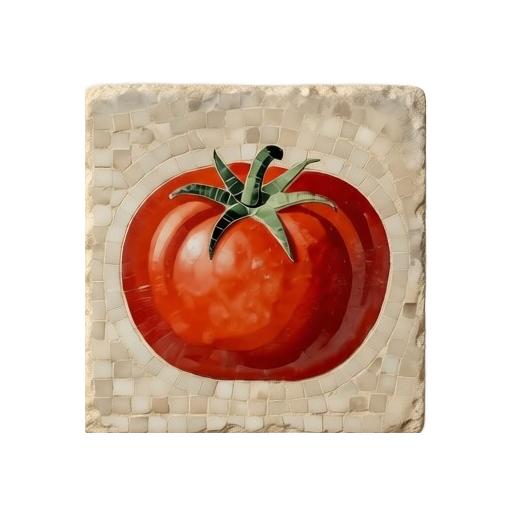
Solanum lycopersicum
Large slicing tomato. Needs staking and pruning.
Western South America (Andes); domesticated in Mesoamerica (Mexico)
“The tomato was first cultivated in the Andes of western South America, where indigenous peoples grew the small wild ancestor and carried it north through Central America into Mexico, where it was domesticated into a larger, edible crop. Spanish conquistadors brought the fruit to Europe in the 16th century, where it was initially feared as a member of the nightshade family (alongside tobacco, potato, and chile peppers) before spreading into a global kitchen staple. 'Beefsteak' refers to the large, thick-sliced varieties named in the mid-19th century for their steak-like heft and texture; the name first appears in a U.S. seed catalog around 1890 as a synonym for 'Fejee Improved'.”
Across Mediterranean, Mexican, and American kitchens the tomato anchors countless dishes — from sauces and salsas to fresh slicing tables. The beefsteak variety in particular became the classic American 'slicer,' the summer staple of farmers' markets and home gardens, prized as much for its size as its flavor.
Did you know? A single beefsteak tomato can reach up to 8 inches across and weigh a pound or more — big enough that one fruit can make several full slices for a burger or sandwich.
One tomatoes plant produces roughly 12 lbs. Worth $41.88 vs a $3.99 seed cost.
Lineages for your homestead goals
The classic 1970s hybrid renowned for huge, reliable slicing tomatoes.
A heirloom favorite famous for its rich, old-fashioned flavor and potato-leaf foliage.
An Appalachian heirloom from the 1930s, bred by a radiator repairman who sold plants to pay off his mortgage.
A dusky, sweet-smoky heirloom with deep reddish-purple flesh and a cult following.
Soil · Water · First 30 days · Monthly care · Troubleshooting · Harvest
Deep, rich loam. pH 6.0–6.8. Work in 3–4 inches of compost — beefsteaks are heavy feeders. Calcium-rich soil prevents blossom end rot on large fruit.
2 inches per week minimum. Large fruit is thirsty. Drip irrigation is ideal. Inconsistent watering causes cracking and blossom end rot.
Caused by uneven watering or heavy rain after dry spell. Mulch heavily and water consistently. Harvest slightly early during wet periods.
🌿 Find remedies →Temperature too high (>95°F) or too low (<55°F). Provide afternoon shade in heat. Nothing to do but wait for better temps.
🌿 Find remedies →Cold temps during pollination. Plant after soil warms to 65°F. Cosmetic only — still edible.
🌿 Find remedies →Harvest when fully red and slightly soft. Beefsteaks left too long on vine become mealy. Pick firm and finish ripening on counter.
Room temperature, stem-side down, out of direct sun. Use within 5–7 days. Slice and freeze flat for winter cooking.