🥕
Tending the crop…
Stay ahead of the 2027 growing season — first month free on any plan until January 1st
Tending the crop…
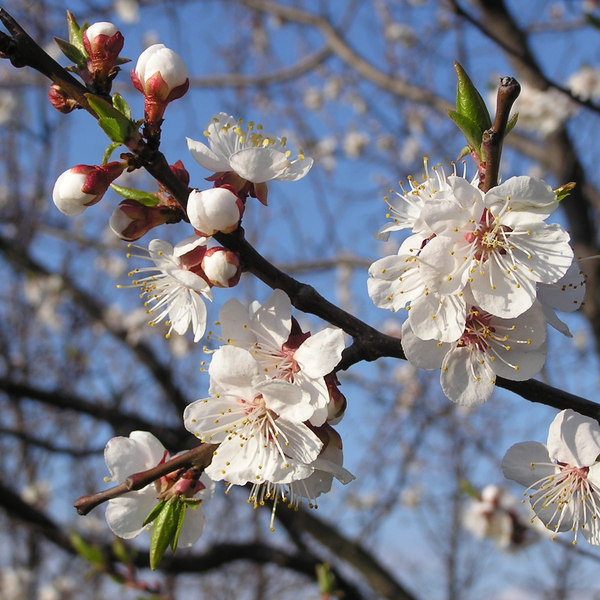
Blooms early — plant where late frosts are rare, or be ready to protect the blossoms.
One apricot tree plant produces roughly 25 lbs. Worth $149.75 vs a $27.99 seed cost.
Lineages for your homestead goals
The classic English heirloom from the 1700s; large, rich, and famously flavorful.
A self-fertile variety with honeyed flavor and good frost tolerance.
A reliable American heirloom, excellent for canning and drying.
Soil · Water · First 30 days · Monthly care · Troubleshooting · Harvest
Well-draining, slightly alkaline soil. pH 6.0–7.5. Apricots tolerate more alkaline soil than peaches. Drainage is everything — a south-facing slope is ideal.
1–2 inches per week during establishment. Mature trees: deep water every 2–3 weeks. Apricots handle drought well once established, but consistent moisture during fruit swell prevents split pits.
Plant on a slope, not a frost pocket. Keep some canopy. Cover trees with row cover when frost is forecast during bloom.
🌿 Find remedies →Remove infected fruit and mummified branches. Prune for airflow. Copper or sulfur spray at pink bud and again after bloom.
🌿 Find remedies →Shake trees onto a tarp in early morning and destroy the weevils. Clean up fallen fruit weekly. Spinosad at petal fall.
🌿 Find remedies →Pick apricots when fully colored and slightly soft at the seam. They finish ripening off the tree better than peaches — pick firm and let them sit at room temperature a day or two.
Ripe apricots keep 3–5 days refrigerated. Freeze halved, pitted apricots on a tray, then bag. Drying is the classic method — dried apricots keep for a year.