🥕
Tending the crop…
Stay ahead of the 2027 growing season — first month free on any plan until January 1st
Tending the crop…
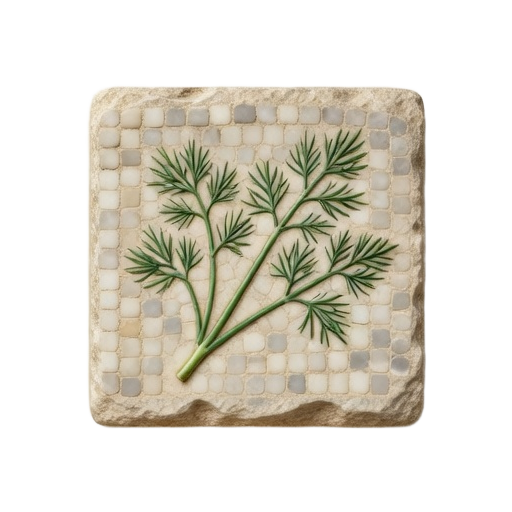
Anethum graveolens
Self-seeds readily. Attracts beneficial insects.
The Mediterranean / Black Sea region
“Used by the Vikings to calm crying babies and soothe stomach aches—the name comes from the Old Norse 'dilla', meaning 'to lull'. In the Middle Ages, it was believed that wearing a sprig of dill could protect you from witchcraft and the 'evil eye'.”
A symbol of protection and domestic tranquility. Dill represents the harmony of the home and the cleansing power of simple, honest herbs.
Did you know? The entire dill plant is edible—the seeds, the feathery leaves (fronds), and even the small yellow flowers. It is the primary flavor component of a traditional Eastern European pickle.
One dill plant produces roughly 0.5 lbs. Worth $0.99 vs a $1.99 seed cost.
Lineages for your homestead goals
The massive homestead standard; grows up to 5 feet tall with huge seed heads perfect for pickling.
The most popular garden variety; produces a high volume of aromatic foliage and seeds with early maturity.
A compact, bush-type variety that stays short (18 inches); ideal for container gardens and kitchen pots.
A specialty variety from Scandinavia; exceptionally high oil content and stays green and leafy longer than others.
Soil · Water · First 30 days · Monthly care · Troubleshooting · Harvest
Loose, well-draining soil with a light texture. pH 6.0–7.5. Dill resents rich soil — heavy compost makes it lanky and leafy with weak flavor. Sandy loam grown for seed heads, slightly richer soil if you're growing fronds.
1 inch per week, at the base, consistently. Dill bolts to seed the moment it dries out and hits heat, so don't let the top 2 inches go crunchy. Soaker hoses or drip line beat overhead watering.
These striped caterpillars become gorgeous black swallowtail butterflies. Hand-pick onto a sacrificial plant, or protect a couple of frond plants with row cover and let the rest go.
🌿 Find remedies →Blast off with water or introduce ladybugs. Lean soil + consistent watering keeps dill aphid-resistant in the first place.
🌿 Find remedies →Plant a spring batch and a late-summer batch. Once dill flowers, foliage production stops — succession sowing is the workaround for zones 7+.
🌿 Find remedies →Snip fronds fresh anytime past 8 inches tall — start from the bottom leaves so the plant keeps growing. For seed, cut full heads when the seeds turn brown but haven't shattered, and hang them upside-down in a paper bag for a week.
Fresh fronds last a week in the fridge with stems in water. Freeze sprigs flat in a bag for months — freezing preserves dill's essential oils far better than drying, which flattens the flavor fast.