🥕
Tending the crop…
Stay ahead of the 2027 growing season — first month free on any plan until January 1st
Tending the crop…
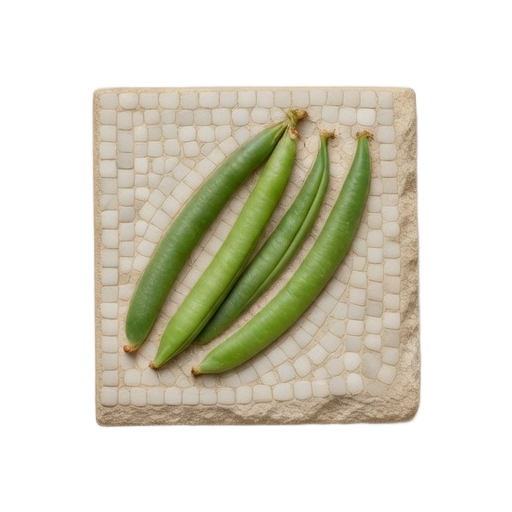
Phaseolus vulgaris
Bush beans produce all at once; pole beans produce steadily over months. Plant new succession every 3 weeks from last frost through mid-summer.
Pick the form that fits your garden
Mesoamerica (Mexico and Guatemala, 7,000+ years ago)
“Green beans are among the oldest cultivated plants in the Americas — they were domesticated in Mesoamerica over 7,000 years ago alongside corn and squash, the three sisters of indigenous agriculture. The classic American pole bean habit of growing them up corn stalks was European colonists learning from Native American practice. The French contributed the haricot vert (thin French filet bean) as a refined counterpoint to the standard American snap bean. Canned green beans became an American pantry staple — and a cultural flashpoint — after a viral photo of canned green beans at Thanksgiving sparked an ongoing national debate about whether they qualify as food.”
Growing green beans is one of the most immediately rewarding kitchen garden crops — they produce prolifically from a small footprint, and a single row of plants can keep a household in beans for weeks during peak season. The French approach to green beans (cooked briefly, with butter and aShallot) represents something worth aspiring to: a vegetable treated as a delicate ingredient rather than a bland filler. For home growers, the difference between a fresh snap bean and a grocery store one is significant enough that many people who start growing them stop buying them entirely.
Did you know? Green beans are technically immature kidney beans — the kidney beans we eat dry are the same plant, just left on the vine until the seeds inside have fully matured and the pods have dried.
One green beans plant produces roughly 6 lbs. Worth $17.94 vs a $4.99 seed cost.
Lineages for your homestead goals
Classic and reliable variety.
Classic and reliable variety.
Classic and reliable variety.
Classic and reliable variety.
Soil · Water · First 30 days · Monthly care · Troubleshooting · Harvest
Loose, well-draining soil. pH 6.0–6.8. Beans fix their own nitrogen — don't over-fertilize or you get leaves instead of beans. Light compost addition is enough.
1 inch per week. Consistent moisture during flowering and pod fill is critical. Water stress during flowering causes pod drop.
Classic and reliable variety.
Classic and reliable variety.
Handpick adults and egg clusters (orange on leaf undersides). Neem oil spray. Row covers at planting.
🌿 Find remedies →Temperature above 90°F causes flower drop. Provide afternoon shade. Nothing to do but wait for cooler temps.
🌿 Find remedies →Improve airflow between plants. Avoid overhead watering. Remove affected leaves. Usually not severe enough to affect yield.
🌿 Find remedies →Pick when pods are firm, smooth, and snap cleanly — before seeds swell inside (creates tough, stringy beans). Harvest every 2–3 days to keep production going strong.
Refrigerate in bag up to 1 week. Blanch 3 minutes and freeze flat for up to 8 months. Best eaten fresh within days of harvest.