🥕
Tending the crop…
Stay ahead of the 2027 growing season — first month free on any plan until January 1st
Tending the crop…
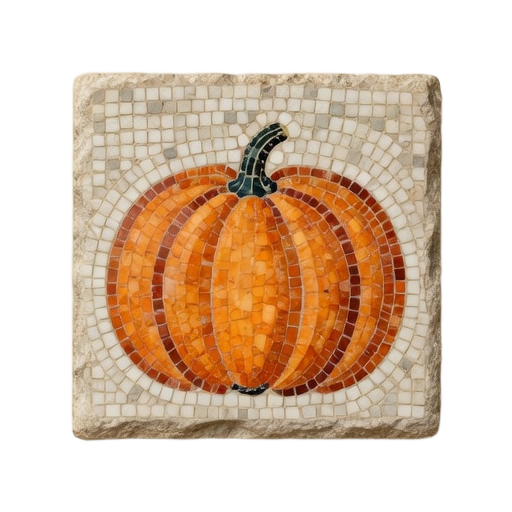
Cucurbita maxima / pepo
Needs lots of space. Fun kids project.
Central and North America
“Pumpkins were first cultivated by Indigenous North Americans as early as 7,000 BC. They would slice the gourds into rings and roast them over fire or weave them into mats. They were the very first plant identified by Pilgrims in the New World.”
A symbol of the harvest's protection and creative utility. From the lanterns of Samhain to the pies of Thanksgiving, it represents the turning of the season toward the hearth.
Did you know? Pumpkins aren't just orange! They actually come in white, blue, yellow, and even red. The heaviest pumpkin ever recorded weighed over 2,700 lbs!
One pumpkins plant produces roughly 20 lbs. Worth $19.80 vs a $3.49 seed cost.
Lineages for your homestead goals
The quintessential carving pumpkin; producing large, round, even-walled fruits.
Compact and dense; specifically bred for its smooth texture and high sugar content in baking.
A spectacular slate-blue heritage variety from Australia; intense flavor and great storage life.
The competitive choice; if you want to grow a pumpkin that weighs hundreds of pounds, this is the one.
Soil · Water · First 30 days · Monthly care · Troubleshooting · Harvest
Rich, well-draining soil with plenty of organic matter. pH 6.0–6.8. Amend with compost and balanced fertilizer before planting.
1–2 inches per week, especially during flowering and fruit development. Water at the base only — wet leaves are a mildew magnet.
Hand-pollinate early morning (flowers close by midday). Need adequate space for pollinators to find the patch.
🌿 Find remedies →Improve airflow. No overhead watering. Neem oil or sulfur fungicide at first sign. Late-season mildew is normal — act early on young plants.
🌿 Find remedies →Always elevate developing pumpkins on boards or straw. Improve bed drainage if multiple fruits rot.
🌿 Find remedies →Harvest when fully colored, rind resists fingernail pressure, and stem begins to dry and crack. Cut with pruning shears leaving 3–4 inches of stem — never carry by the stem.
Cure at 80–85°F for 10–14 days to harden the skin. Store at 50–55°F in a dry, ventilated spot for 2–6 months.