🥕
Tending the crop…
Stay ahead of the 2027 growing season — first month free on any plan until January 1st
Tending the crop…
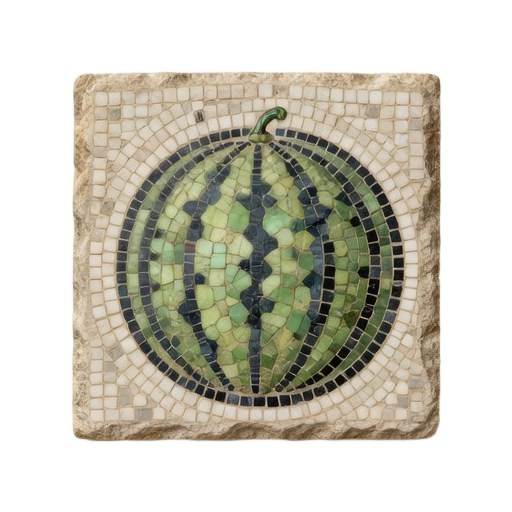
Citrullus lanatus
Needs heat and space. Thump for ripeness.
Kalahari Desert, Southern Africa
“Originally a bitter, wild desert fruit, watermelons were grown in Egypt as portable 'water bottles' for long journeys. Hieroglyphs of watermelons have been found in the tombs of Pharaohs, likely meant as a source of hydration on the trip to the afterlife.”
A symbol of summer joy and communal laughter. In many cultures, the sharing of a large watermelon represents the breaking of boundaries and the warmth of hospitality.
Did you know? Every single part of a watermelon is edible—even the rind! Pickled watermelon rind is a classic delicacy in the Southern United States and China.
One watermelons plant produces roughly 20 lbs. Worth $9.80 vs a $3.49 seed cost.
Lineages for your homestead goals
The perfect 'icebox' watermelon; smaller, 10-lb fruits that are incredibly sweet and crisp.
Legendary for its sugar content and brilliant red flesh; highly disease resistant.
A stunning Amish heirloom with dark green skin dotted with small yellow 'stars' and large 'moons'.
Large, elongated fruits with pale green rinds; tolerant of hot, dry climates.
Soil · Water · First 30 days · Monthly care · Troubleshooting · Harvest
Sandy loam, well-draining. pH 6.0–6.8. Watermelons need warmth more than fertility. Black plastic mulch dramatically improves yields by warming soil.
1–2 inches per week. Reduce significantly 2 weeks before harvest — this concentrates sugars and gives that deep sweet flavor. Overwatering near harvest = bland, watery flesh.
Uneven watering during fruit development. Keep moisture consistent through fruit fill, then reduce before harvest.
🌿 Find remedies →Same as squash — check stem base. Cut out borer and bury stem with soil. Row covers early season prevent egg laying.
🌿 Find remedies →Drape a cloth over fruit during peak afternoon heat. Melon flesh is still fine beneath.
🌿 Find remedies →Check three signs together: yellow ground spot, dried-out curly tendril nearest fruit, hollow sound when thumped. All three = ripe. Cut don't pull — leave 2 inches of stem.
Whole uncut melon lasts 2–3 weeks at room temperature. Refrigerate cut pieces up to 5 days. Freeze cubed for smoothies.