
You don’t need a fancy setup to turn kitchen scraps into black gold — but the right bin can mean the difference between a pile you actually use and a smelly mess you ignore. Here’s what to look for, plus the picks worth your money this fall.
Fall is the season when the compost bin earns its keep. Between spent tomato plants, fallen leaves, and the last of the lawn clippings, a good bin turns that cleanup into next spring’s soil. And if you start now, you’ll have finished compost ready exactly when the garden wakes up.
What Actually Matters in a Compost Bin
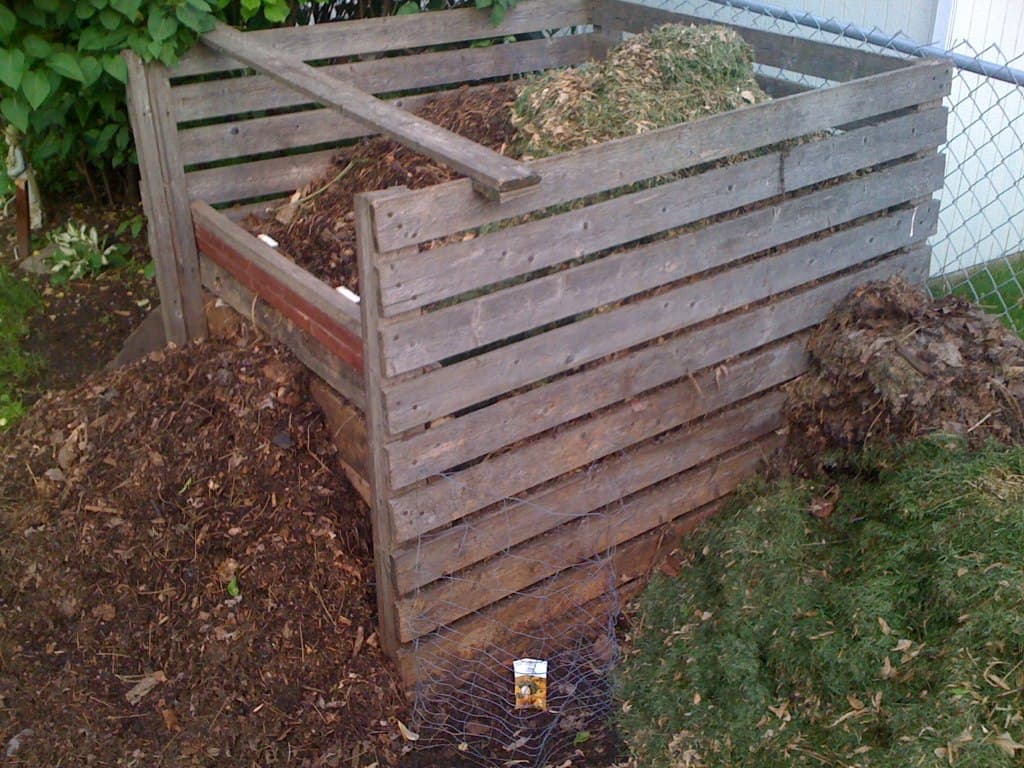
- Size. Most home gardens do fine with a bin that holds 15 to 30 cubic feet. Bigger heats up faster, which breaks down material quicker — but only if you can fill it. A half-filled giant bin performs worse than a full modest one.
- Aeration. Compost needs oxygen. Look for bins with open sides, ventilation holes, or a tumbling design. Turn the pile every week or two and it stays aerobic — meaning it smells like earth, not garbage.
- Pest resistance. A lid and a solid base keep rodents and raccoons out of your pile. Open bins work, but in a neighborhood with wildlife, a closed bin saves headaches.
- Your own effort. Tumblers make turning effortless. Stationary bins need a pitchfork. Worm bins handle kitchen scraps indoors all winter. Be honest about which one you’ll actually maintain.
The Picks, With the Pros and Cons
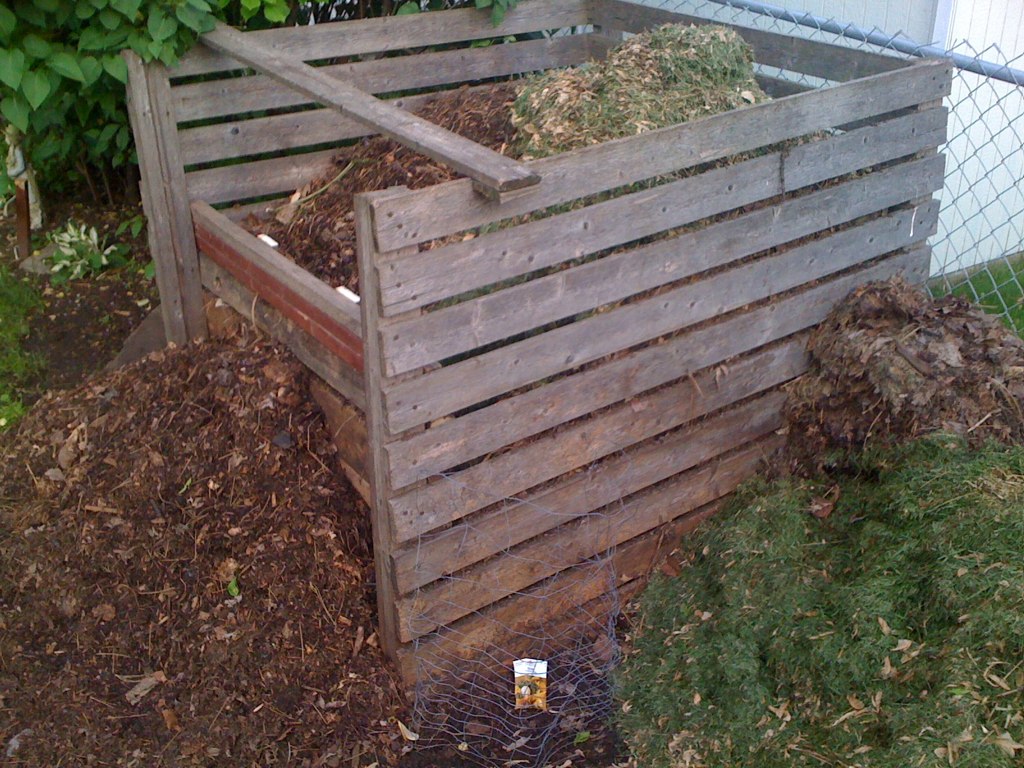
The classic black plastic ring that expands as you fill it. It holds a surprising amount, costs very little, and you can lift the whole ring off to access finished compost at the bottom.
Two chambers mean you can keep adding to one side while the other side finishes undisturbed. Spin it a few times a week and the turning does itself — no pitchfork required.
A solid, lidded bin that looks tidy, keeps critters out, and sits quietly in a corner of the yard. Pair it with a small open pile for bulk leaves.
Red wigglers turn your fruit peels and coffee grounds into castings that are the single best soil amendment there is. It lives indoors, takes almost no space, and works all winter.
What to Feed It This Fall
Green stuff (grass clippings, vegetable scraps, spent plants) layered with brown stuff (dry leaves, straw, shredded cardboard) in roughly equal parts. Chop the big stuff, keep it damp but not soggy, and turn weekly. A fall-start pile that’s well-built will be ready about when your spring planting starts.
Need to know your zone’s fall timeline? Use the zone finder and check the fall vegetable planting guide for what to sow while your compost cooks.
This post contains affiliate links; if you buy through them, we may earn a small commission at no extra cost to you.