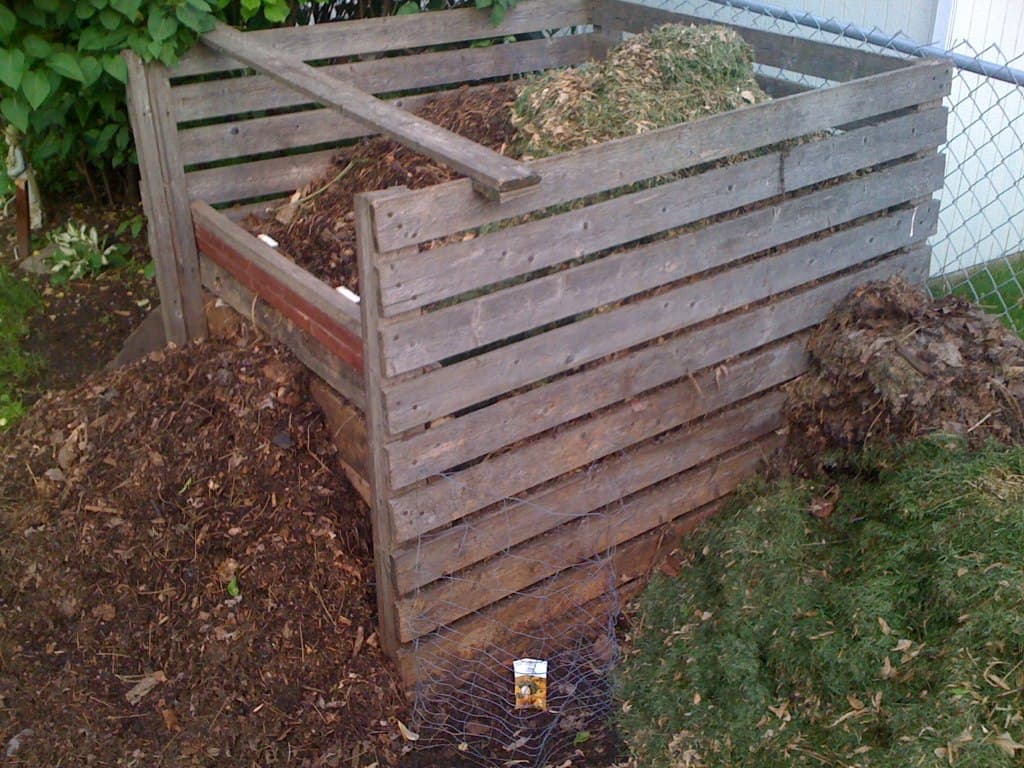

Here’s the thing nobody tells you about the gardening calendar: frost dates are averages, not laws. The same beds that died back hard last October could have kept producing into December with one sheet of fabric and a wooden box with a glass lid. That’s not a hack. It’s the oldest trick in the book — literally.
Pliny the Elder, writing in the first century, describes Emperor Tiberius being served cucumbers out of season, grown under frames glazed with translucent stone called specularia. The Romans were extending the season with glass boxes two thousand years ago. Later, the Victorians heated their frames from below with fermenting horse manure — hotbeds, they called them — and shipped salad greens to London all winter. Your version doesn’t need manure or an emperor. It needs a cold frame, a row cover, and a little trust in the math of sunlight.
What a Cold Frame Actually Does
A cold frame is an unheated box with a transparent lid, set directly over garden soil. Sunlight comes through the glass, warms the soil and the air inside, and the box traps that heat. On a sunny winter day the inside can run twenty degrees warmer than the air around it — plenty to keep hardy greens alive and growing slowly.
- It buys you weeks at both ends of the season, often four to six weeks total across the year.
- It grows real crops in the cold months: spinach, lettuce, arugula, kale, carrots, and radishes.
- It doubles as a hardening-off station in spring, easing seedlings into outdoor life before transplant.
What a Row Cover Does
A row cover is a sheet of spun-bonded fabric that floats directly over your plants, held up by hoops or just laid loose. Think of it as a blanket, not a greenhouse.
- It holds in the soil’s daytime warmth, giving you roughly two to four degrees of frost protection — enough to save a crop on the first light frost nights of fall.
- It keeps pests off in the shoulder seasons when bugs get desperate.
- It lets water and light through, so you can leave it on for weeks at a time without lifting it.
The honest limits? A row cover will not save you from a deep freeze the way a cold frame will. And neither one forgives poor drainage — wet feet kill winter crops faster than cold air does. That’s the con on the whole method, and the mitigation is the same for every crop: plant in earth that drains, and take the cover off on sunny days so the plants don’t cook.
The Picks, With the Pros and Cons
This is the size worth owning — big enough for a salad bed, light enough to move in spring. Cedar shrugs off the weather and glass lets the real sunlight through.
One roll covers several beds and stores in a shoebox in the off-season. It breathes, lets light through, and gives tender crops a few extra degrees on the shoulder-season nights.
The single most useful tool for cold-season gardening, and the one almost nobody buys. It tells you the high and low your frame actually hit overnight, so venting and closing stop being guesswork.
What I’d Skip For Now
Heated propagation mats and greenhouse kits. If you’re growing greens through winter, you don’t need electricity in the frame — soil warmth plus sunlight does the job. Save the heat mat for seed starting, and save the greenhouse money for when you’re consistently filling the cold frame every season.
How to Run It
- Start with hardy crops. Spinach, kale, arugula, mache, carrots, and scallions are the cold-frame reliable. Tomatoes and peppers are not — don’t force them.
- Vent on sunny days. If the lid stays closed under full sun, the frame can hit ninety degrees and cook your greens. Prop it open a few inches whenever the sun is out, and close it before the heat of the day fades.
- Water sparingly. Winter plants drink far less. When you do water, do it in the morning so the foliage dries before night.
- Layer the defenses. Row cover over the bed, cold frame over the tenderest row, and a few inches of straw mulch around the crowns. Each layer is a couple of degrees, and degrees are what decide the harvest.
- Pull the frame in spring. Once the real season starts, the cold frame becomes your hardening-off shelf — set seedlings out in it for a week before transplant, and they’ll take the garden with almost no shock.
The Bottom Line
You don’t need a greenhouse to garden ten or eleven months a year. You need a box that traps sunlight, a blanket that holds warmth, and the discipline to open the lid on sunny days. The Romans managed it with mica and an emperor’s ego. You’ll manage it with a ten-dollar thermometer and a Saturday afternoon — and as the 2026 growing season winds down, this is the cheapest way to keep the harvest coming.
Not sure when your first and last frost actually land this fall? Drop your zone into the PlotPlanner zone lookup and get your real frost dates, so the cold frame is working on the right weeks.
And if you’re planning the fall garden right now, the fall vegetables by zone guide tells you exactly what still goes in the ground this month — cold frame or not.
Disclosure: this post contains affiliate links; we may earn a commission at no extra cost to you.