If you've got a small bed, a couple of containers, or a balcony, the whole game is yield per square foot. You don't want plants that take up half the bed and produce three vegetables. You want things that pack into tight space, produce over a long window, and don't demand a chemistry set. These twelve have carried more small gardens than almost anything else I've grown.
There's a throughlie here worth naming. Victory gardeners in the 1940s had to make the same call — small plots, real food, no waste — and they leaned on exactly this kind of reliable, space-efficient crop. The beds were different, the judgement the same. When space is the precious thing, you grow what gives back.
The Fast, the Productive, and the Forgiving
Think of it in three buckets.
- Fast: radishes in about 30 days, and arugula not far behind. These fill gaps, mark rows, and give a first taste of victory almost immediately.
- Relentless: cherry tomatoes and zucchini keep producing for months if you keep picking. One or two plants is plenty.
- Forgiving: lettuce, kale, and Swiss chard take a beginner's mistakes and keep going. Cut-and-come-again types give you weeks from one row.
Bush beans pay back hard and fix a little nitrogen as they go. Peppers are compact and give all season. Cucumbers and peas climb if you give them a moment of trellis, which is the most efficient square footage you can get. And basil is not just the easiest herb, it actively gets better the more you harvest, which is exactly the temperament you want from a first plant.
The single best investment for a small garden
A compact / small-garden seed collection. The honest con is that a third of it you won't plant — but the half you do plant, from radishes to bush beans, is the fastest route to a full small bed for the price of one trip to the nursery.
How to Stack the Bed Like a Pro
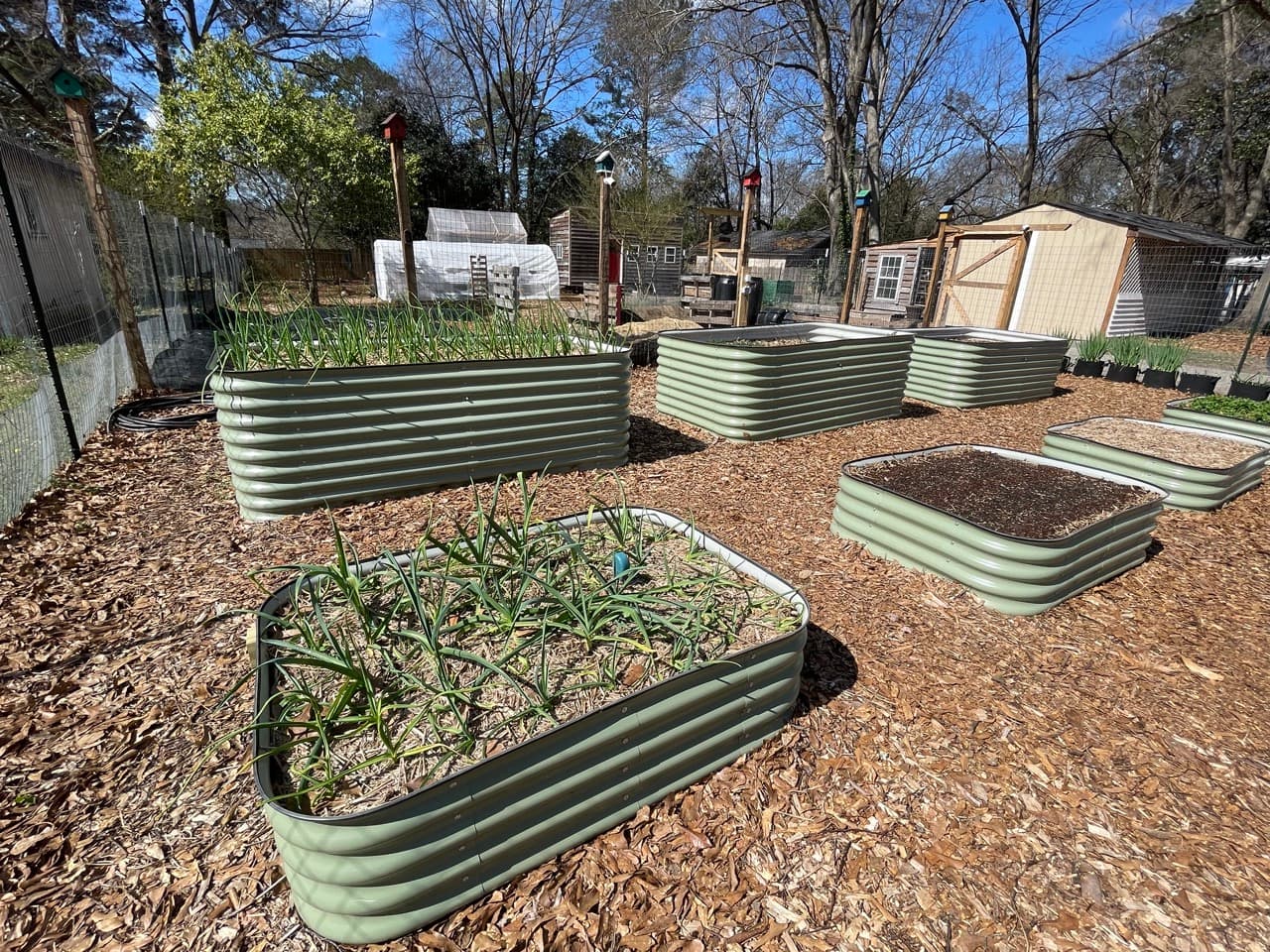
Small-space growing rewards a little planning. Put the climbers on a north trellis so they don't shade the low crops. Tuck fast roots around the slower plants so nothing stays bare. Succession sow the quick ones every two weeks so you're harvesting from your own bed instead of trailing empties. That's the whole method — it's less about any single vegetable and more about the calendar you run.
Our planner handles the spacing and timing for you in one place, so the small bed reads as a full season instead of a crowded tangle. Plant the fast, the relentless, and the forgiving, and a patch smaller than a parking space stops being a compromise and starts being supper.
This post contains an affiliate link; we may earn a commission at no extra cost to you.