
Most gardens don't fail in August. They fail in February, at a seed rack, with a hand full of packets and no plan.
Every gardener knows the feeling: the warm Saturday in April when you realize the tomato starts were never started, the July week when everything ripens at once and you can't give zucchini away, the October morning when you find the carrots you forgot existed, sitting in soil you've already tilled under. None of that is bad luck. All of it is the same thing — a season that was never planned as a whole.
Here is the honest truth, from one gardener to another: a garden plan is not a luxury. It's the single biggest difference between a feed-your-family plot and a hobby that stresses you out. And you don't need a spreadsheet, a horticulture degree, or three hours on a Sunday to build one. You need about five minutes and the right tool.
This is how you plan an entire growing season, down to the day, in just minutes.
What a Real Season Plan Actually Contains
Forget vague advice like "plant in spring." A plan that actually works has four moving parts, and they all have to agree with each other:
- The plants. Not a wish list — a realistic list built for your space, your zone, and your actual goals. If your goal is feeding a family of four for the summer, that's a different list than a salsa-and-herbs balcony setup. The full plant index has every crop with its honest numbers, so you can build the list on facts, not packet art.
- The timing. Every crop in your plan has a window: when to start seeds indoors, when to set transplants out, when to direct sow, when to expect the first harvest, and when to pull the plant. Those dates are not vibes. They're calculated from your frost dates, your zone, and the crop's own numbers — days to maturity, cold tolerance, and whether it loves or hates the heat.
- The space. Plants need their room. A plan that puts overly wide spacing on squash you'll only eat once a week is a plan that wastes good soil. A plan that crams everything into two raised beds without checking spacing is a plan that will quietly strangle itself by July.
- The chore calendar. This is what almost nobody plans, and it's what actually keeps a garden alive: when to fertilize, when to thin, when to stake, when to trellis, when to succession-sow, when to start the fall crop while the spring crop is still producing.
A season plan is just those four pieces, made to agree with each other. The tragedy is that in most gardens, they never meet.
Down to the Day
Here's the difference between a rough plan and the kind of plan that makes a garden feel almost effortless: a rough plan tells you "plant beans in spring." A day-level plan tells you, for your zone, in your garden, that beans go out on the date when your soil has warmed past sixty degrees, that you'll sow a fresh row every three weeks so you're never without a harvest, and that the first picking lands about fifty-five days after that first sowing — which means you can plan the July dinner around it.
The secret is that you don't need to figure any of that out by hand. Every crop in PlotPlanner carries its own numbers, and the planner does the arithmetic. You make the decisions; it does the calendar. And since every one of those dates hangs on your zone, this is the moment to pin yours down:
What zone am I in?
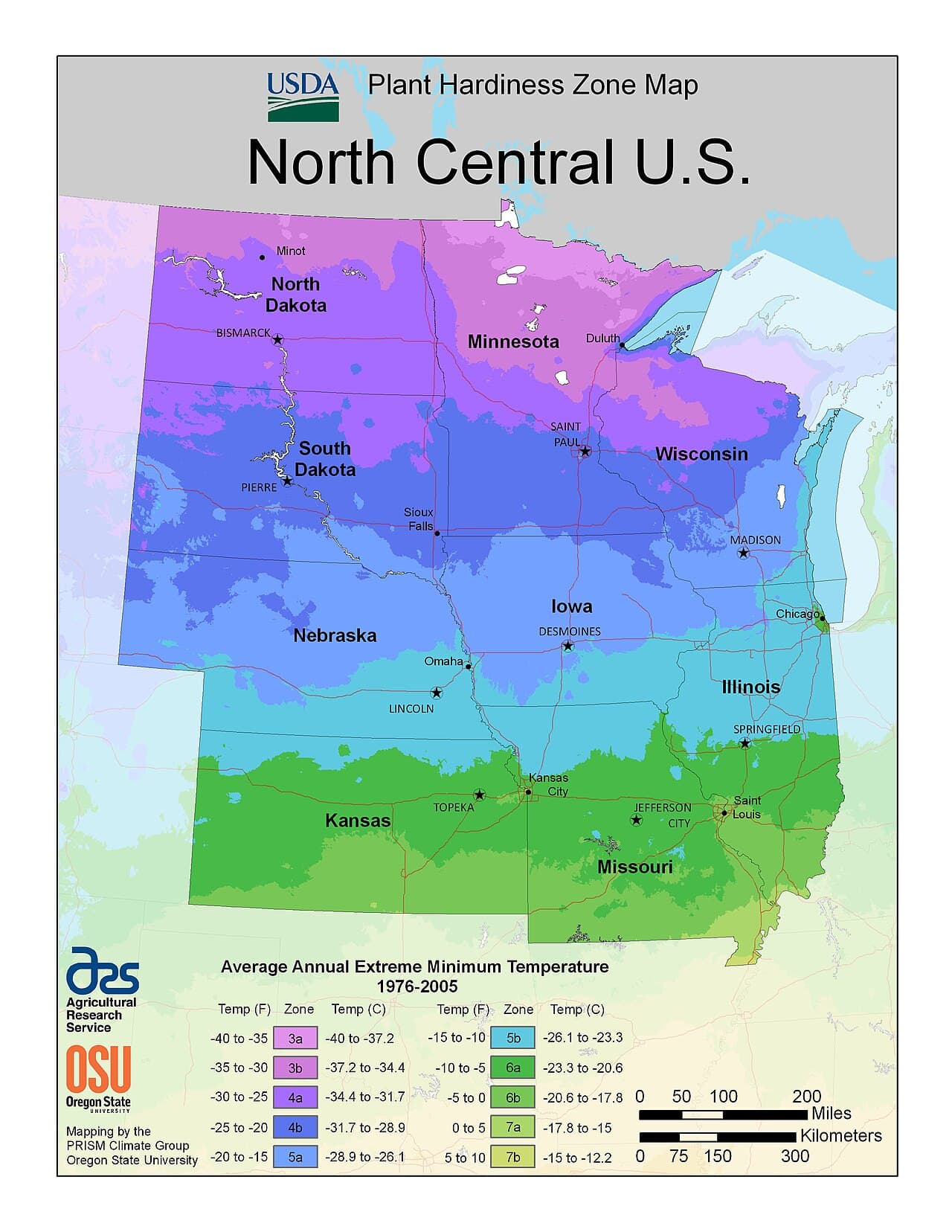
Drop in your ZIP and get your USDA grow zone, last spring frost, and first fall frost — the dates every planting decision hangs on.
Free, ten seconds, no sign-up. Prefer the map? Use the full zone lookup.
How the Planner Works, Start to Finish
The whole thing takes about five minutes, and you can do it over coffee.
- Tell it what you're growing for. The planner starts with your goals — feeding a family, preserving for winter, a kids' garden, or just filling the yard with something that grows. Goals shape the recommendation; a canning garden and a salad garden are different projects.
- Give it your space and your zone. A twenty-foot bed in zone seven plans differently than a forty-foot bed in zone four. Drop in your measurements and your ZIP, and the planner knows what you're working with.
- Pick your plants. Browse the plant index — eighty plants with real photos and honest numbers on spacing, days to harvest, companions, and enemies. The planner shows you which picks actually fit your space, so you stop crowd-planting.
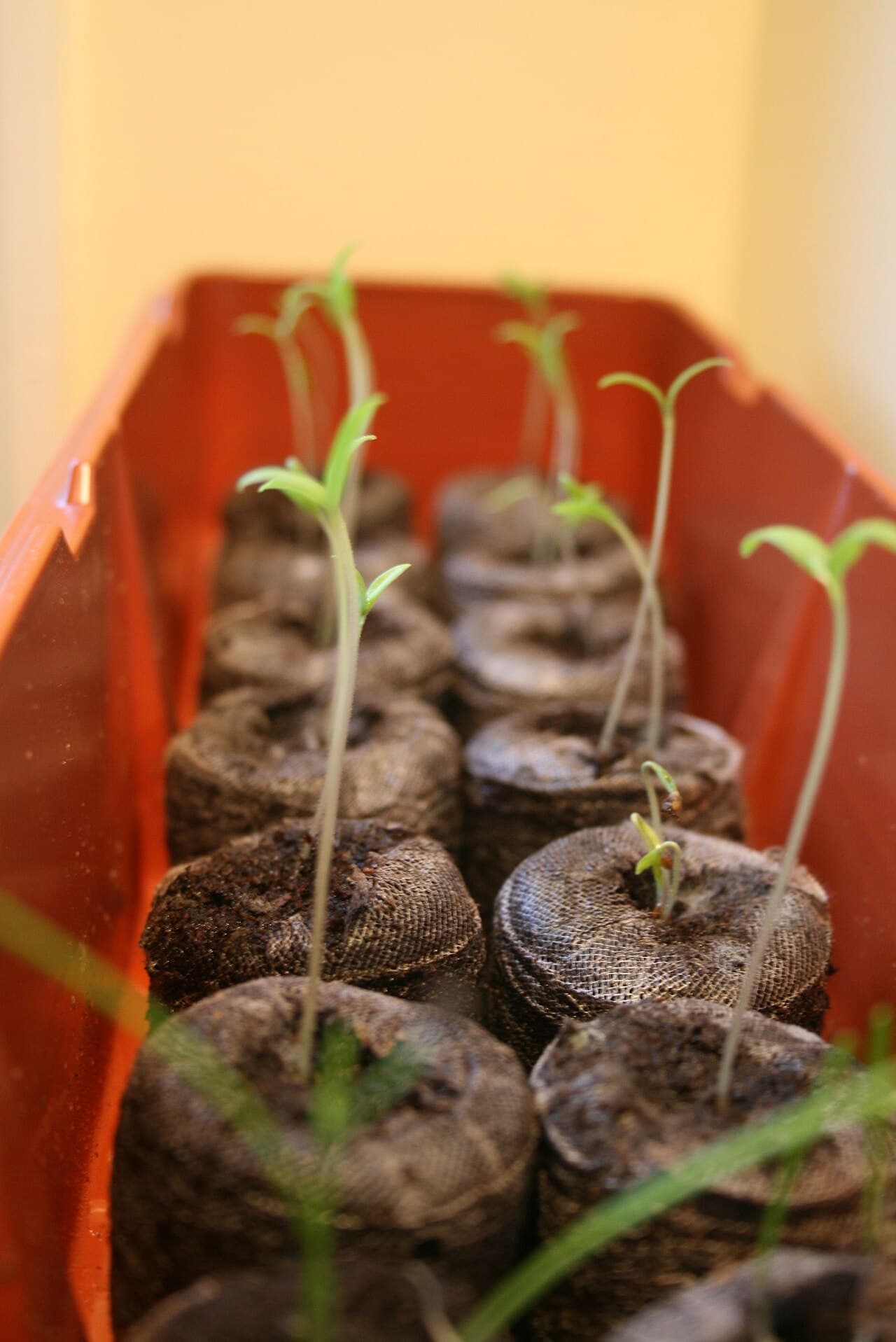
- Get your calendar. This is the payoff. The planner builds a season timeline for your garden, on your dates: when to start seeds indoors, when to harden off, when to plant out, when to expect each harvest, and which chores land in which week. Not a generic list — your garden's calendar, down to the day.
Then you do the one job that matters all summer: you follow it. Ten minutes a week of "what does the calendar say" — and the anxiety of "what was I supposed to be doing again" disappears.
Three Gardens, Three Plans
The first-year gardener. Goals: learn, eat, don't get overwhelmed. The planner suggests a tight list of forgiving crops — maybe six or seven — with spacing checked, and a calendar that spreads the work out so nothing demands three hours in one Saturday. The first year isn't about maximum yield; it's about building the habit. The plan makes that possible instead of working against it.
The busy family. Goals: real food, minimum fuss. The plan leans on low-maintenance, high-output crops, succession planting so the harvest doesn't glut, and a chore calendar built around weekends. You know in January what your June Saturdays look like.
The cold-climate grower. Goals: squeeze a real season out of a short one. The plan counts backward from your frost dates and front-loads the indoor starts, so the tomatoes actually get their ninety days. It's the difference between eating tomatoes and just growing tomato plants. Your dates are even more load-bearing when the window is narrow:
What zone am I in?
Drop in your ZIP and get your USDA grow zone, last spring frost, and first fall frost — the dates every planting decision hangs on.
Free, ten seconds, no sign-up. Prefer the map? Use the full zone lookup.
The Five-Minute Plan
You already have the goals. You already know your space. What's been missing is the piece that turns those into a working calendar — and that piece is five minutes of decisions, not a weekend of spreadsheets.
Start planning your season in the PlotPlanner, or check your zone and frost dates first if you're still guessing. Plan on a Tuesday, and show up to the rest of the season with a calendar that tells you exactly what to do and when. That's the whole job. The garden will do the rest.
Painting: Claude Monet (1926), public domain.