🥕
Tending the crop…
Stay ahead of the 2027 growing season — first month free on any plan until January 1st
Tending the crop…
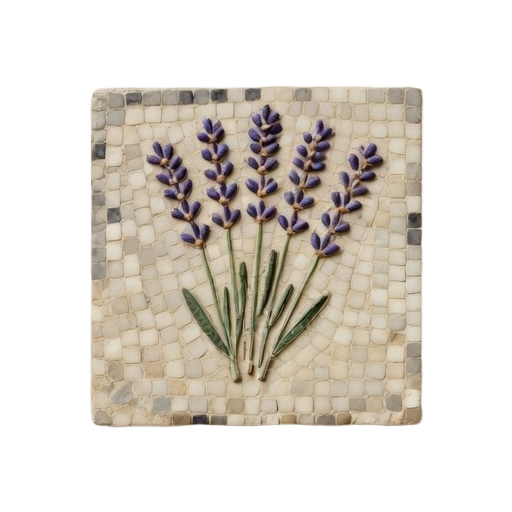
Lavandula angustifolia
Needs excellent drainage — hates wet roots. Cut back by one-third each spring. Silver-gray foliage is ornamental even before it blooms.
The Mediterranean and North Africa
“Named from the Latin 'lavare' (to wash). Romans used lavender to scent their public baths and laundries. In the Middle Ages, lavender was strewn on the floors of castles to mask odors and ward off the 'mal-aria' (bad air) of disease.”
A symbol of purity, silence, and devotion. Lavender represents the calm after the storm and the ability to find sanctuary in the gentlest aspects of the natural world.
Did you know? There are over 45 species and hundreds of varieties of lavender! Bees find it almost irresistible, making it one of the best plants for increasing your garden's overall pollination.
One lavender plant produces roughly 0.5 lbs. Worth $6.50 vs a $6.99 seed cost.
Lineages for your homestead goals
A compact English variety that blooms early with deep lavender-blue flowers; exceptionally sweet aroma.
Famous for its intense, dark purple flower spikes and silvery-gray foliage; very hardy and slow-growing.
A rugged hybrid that tolerates heat, humidity, and cold equally well; large, showy flower spikes.
The primary variety grown in France for perfume and oil; producing massive, long-stemmed violet flowers.
Soil · Water · First 30 days · Monthly care · Troubleshooting · Harvest
Gritty, alkaline, sharply drained soil. pH 6.5–7.5. Lavender's #1 killer is wet winter roots — amend heavy ground with coarse sand or grit and plant on a slope or mound so water runs away. No rich compost; lean soil makes stronger oil.
1/2 inch every 7–10 days for the first season while roots establish, then almost nothing. Mature lavender prefers dry — overwatering is what kills it indoors or in heavy clay. Drip irrigation at the base only.
Improve drainage with grit, raise the bed, and cut watering hard. Once the crown rots there's no saving it — replant in a mound.
🌿 Find remedies →Shear annually right after bloom. Regular harvest keeps lavender compact; neglected plants go woody in 3–4 years.
🌿 Find remedies →Choose English (L. angustifolia) or hardy hybrids like Phenomenal for humidity. French lavender sulks where summers are muggy and wet.
🌿 Find remedies →Cut flower wands on a dry morning when the lowest blossoms on the spike just begin to open — that's max essential oil. Bind stems into bundles of 20–40 and hang upside down in a dark, airy spot for two weeks.
Stored dried lavender keeps its scent for a year in sealed glass jars out of sunlight. For culinary use, harvest buds before the flowers open and dry quickly; for sachets, the dried flowers work beautifully on their own.