🥕
Tending the crop…
Stay ahead of the 2027 growing season — first month free on any plan until January 1st
Tending the crop…
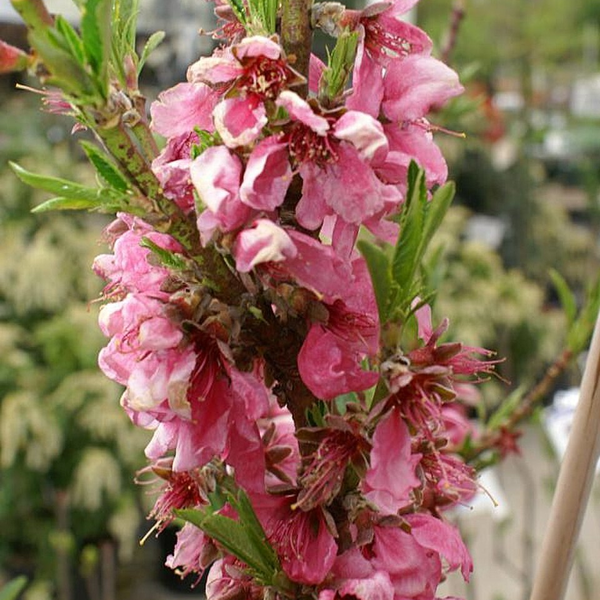
A smooth-skinned sport of the peach with the same care needs — protect the fruit from sunburn.
One nectarine tree plant produces roughly 30 lbs. Worth $149.70 vs a $29.99 seed cost.
Lineages for your homestead goals
A yellow-fleshed, self-fertile favorite with excellent flavor.
White-fleshed, sweet, and low-acid — one of the best for eating fresh.
Large, firm, and freestone; a top choice for home orchards in warm zones.
Soil · Water · First 30 days · Monthly care · Troubleshooting · Harvest
Well-draining, fertile soil. pH 6.0–6.5. Identical needs to peach — use raised beds or slopes for drainage. Nectarines are slightly more prone to sunburn and brown rot than peaches.
1–2 inches per week during establishment. Mature trees: deep water every 2–3 weeks. Critical during fruit swell — drought then causes split pits and bitter fruit.
Remove infected fruit immediately. Fungicide at bloom and again at fruit development. Avoid overhead watering; pick promptly at ripeness.
🌿 Find remedies →Copper or lime-sulfur spray in fall after leaf drop and again in early spring before buds swell. Once leaves emerge, it's too late for the season.
🌿 Find remedies →Whitewash young trunks. Keep some canopy cover over fruit. In hot zones, light shade cloth during heat waves prevents scalded fruit.
🌿 Find remedies →Pick when fully colored and slightly soft at the stem end. Use garden scissors to cut the stem 1/4 inch above the fruit. Nectarines do not ripen much off the tree — pick at the right moment.
Room temperature 1–2 days to finish ripening. Refrigerate ripe nectarines up to one week. Freeze slices with sugar for up to 12 months, or can in light syrup.