
Companion planting has a reputation problem, and it's half deserved. Walk into any garden shop and you'll hear whispered pairings, garlic beside roses, marigolds that supposedly save everything. Some of that is folk tale wearing a lab coat. The other half is old, real, and worth the bed space. Let me sort the two apart, because it matters when you're tight on room.
The parts you can put your hands on are soil and pest pressure. Beans and peas feed nitrogen into the soil through their root partnership, and that genuinely feeds heavy feeders next door. Tall plants throw shade that the tender ones underneath appreciate in August. A few plants do seem to discourage a pest that would otherwise eat out a neighbor. That's the kernel of truth. The rest is nice to know, sometimes wrong, and rarely harmful.
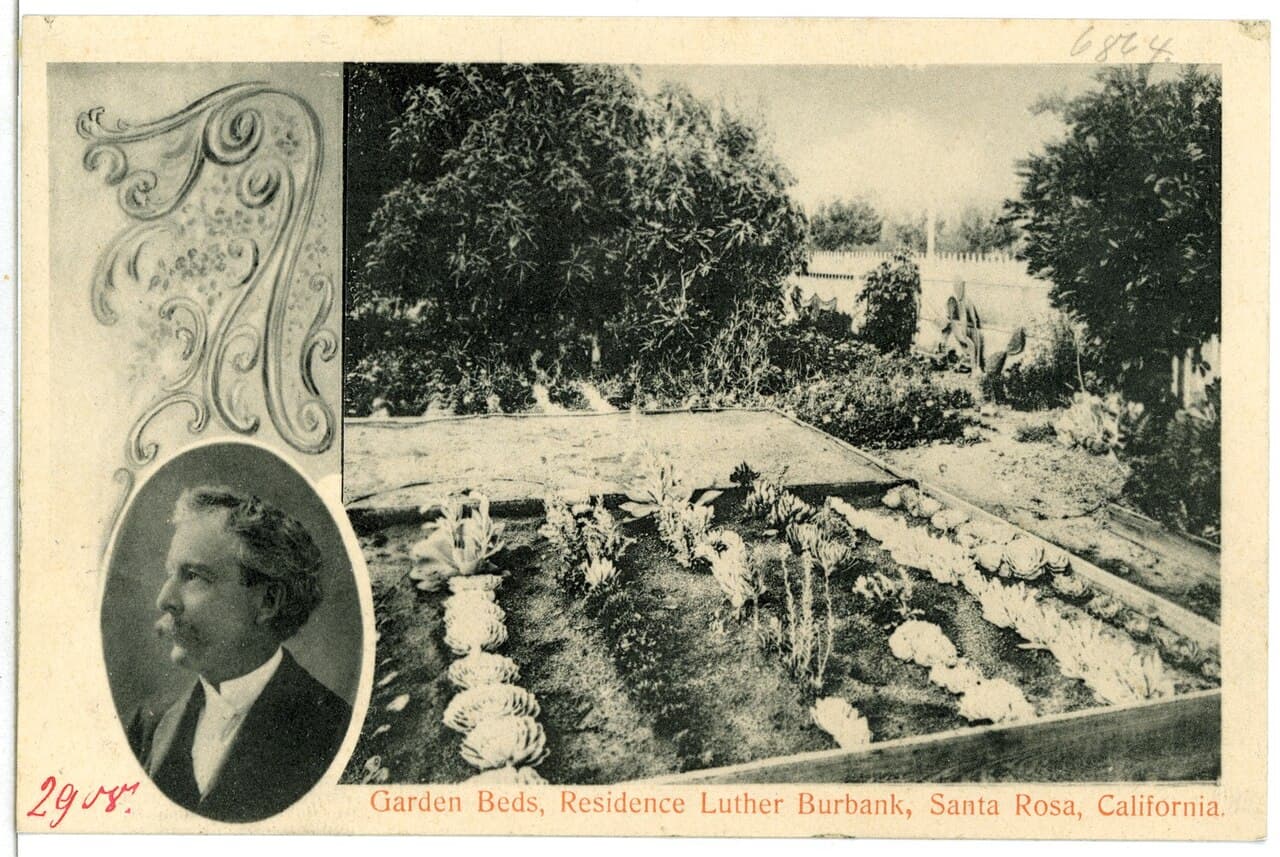
People have been layering crops together for centuries, not as Pinterest decoration but as survival. The medieval walled kitchen gardens of Europe — the ones Charlemagne's farm managers were told to plant in the Carolingian era — mixed herbs, roots, and edible greens in one sun-facing plot. Nobody was working from a chart of ally pairs. They'd simply learned that a crowded bed grows more total food and survives the bad years. That instinct is worth keeping, even when you skip the pretty lists.
Pairings Worth a Square of Your Bed
These are the ones I trust from the ground up. Not ironclad laws, good company.
- Basil with tomatoes. They want the same soil warmth and water, and basil rewards you twice, better tomatoes and cooking basil without a second bed.
- Onions among carrots. The strong allium scent genuinely puts off the fly that finds carrots by smell. I've pulled noticeably fewer spoiled roots since I started tucking onions into that row.
- Marigolds at the edges. Cheap, dense, and they invite the little predatory wasps that eat the pests you were going to have anyway. Not a truce with insects, but real cover.
- Lettuce under anything tall. In a hot July, direct sun cooks lettuce to bitter. Tucked under trellised tomatoes, it keeps making salad. That pairing alone has carried me through the worst of summer.
Two Well-Known Pairings I'd Question
The classic "Three Sisters" of corn, beans, and squash is a real, old idea out of the Americas, and it deserves respect. But faithfully transplanting its whole logic into a single small raised bed usually fails. The corn shades too hard, the season runs short, and before you know it you've planted half your bed for a poor corn harvest. Let the legend inspire the concept, not dictate your layout.
Then there's the marketing layer, one herb "improves the flavor" of the neighbor. That's very old almanac and very little hard evidence. It won't hurt you to plant them together, but don't give up a valuable square on a flavor claim you're just hoping about.
The One Pairing I'll Never Do Again
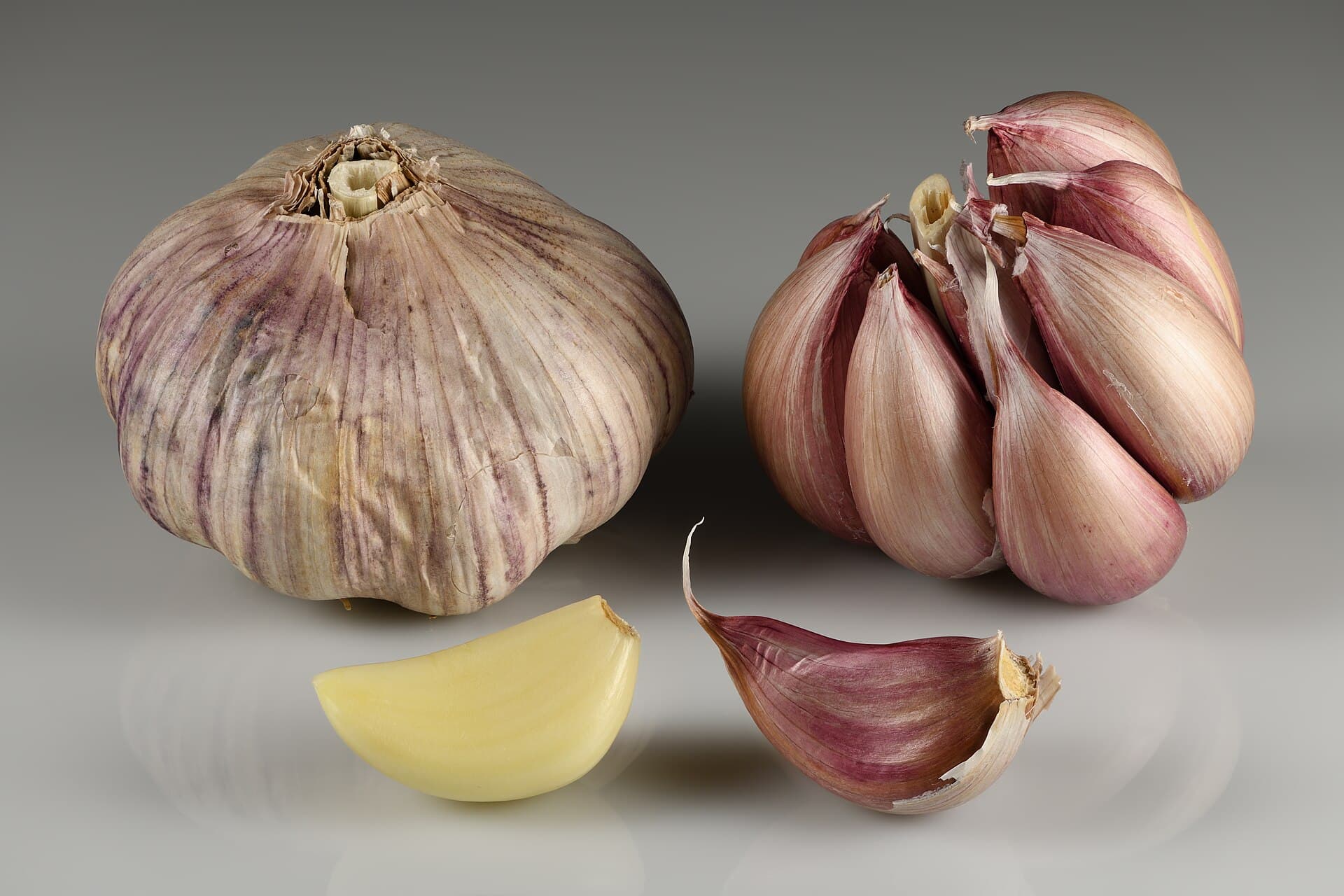
I once planted garlic in among my strawberries based on a tidy association chart, and by mid-spring the garlic had pushed half the patch over. Strawberries want to hug the ground; garlic wants to tower over them. They are both wonderful, and they made miserable neighbors. That's the lesson I point people to: companions are about habit, light, and water as much as any folk pairing. Read the plant, not just the pretty grid.
One gear note
A simple printed companion planting chart is a useful bench tool for remembering what you've planted next to what. The honest caveat is that most charts round everything up to "great partner", so treat yours as a map, not a promise.
The Real Method Behind the Legend
The way to use this without being fooled is to plan the bed as a group, not a set of one-off friendships. Put the tall, sun-hungry plants on the north so their shade lands where it helps. Tuck the quick lettuces in bright spring and again under the canopy for fall. Rotate the heavy feeders so the soil doesn't get dug out. That is companion planting that works, and it's the exact habit the medieval bed-builders had before the charts existed.
When you lay it out, our garden planner handles the spacing and timing so the companions actually overlap the way you intend. And our plant database flags which so-called companions are widely reported versus which are more word of mouth. Plant by behavior, not by reputation.
This post contains an affiliate link; we may earn a commission at no extra cost to you.