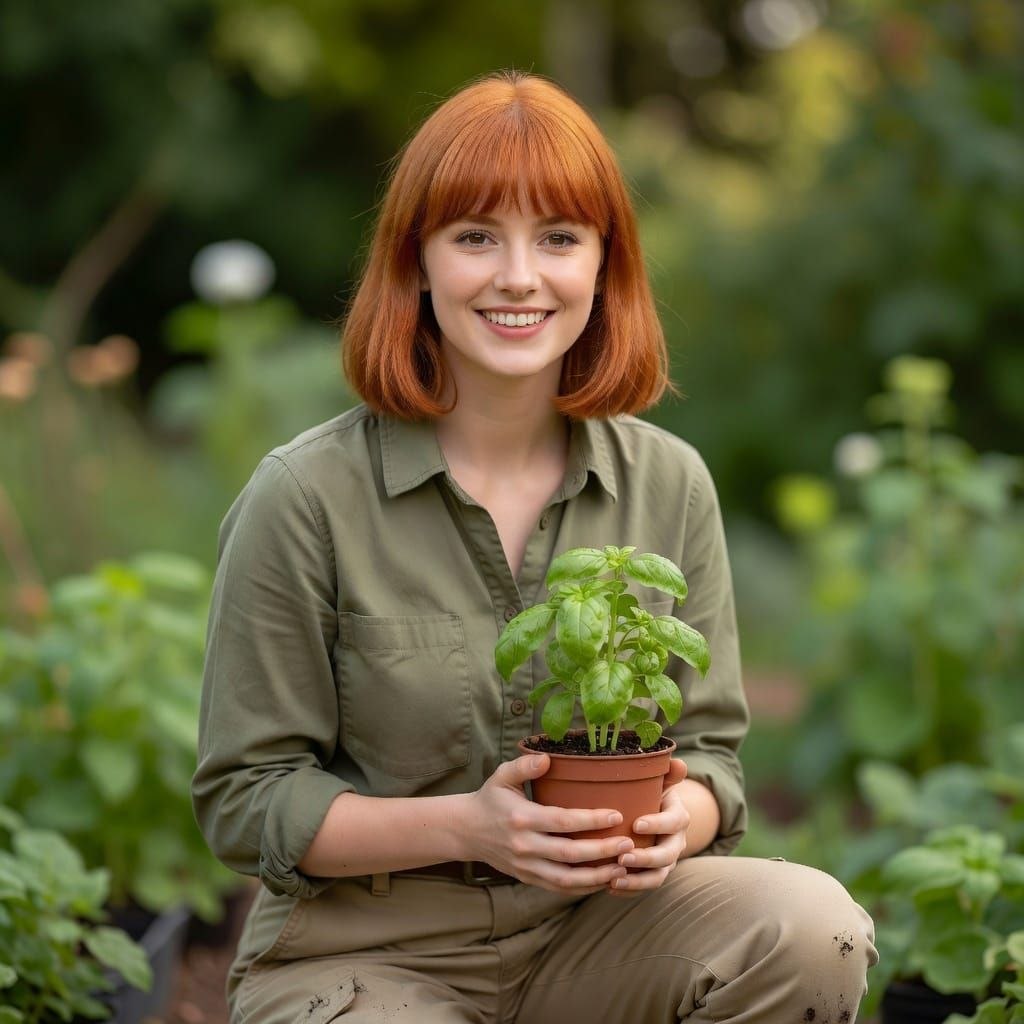
Fall is the season most home gardeners voluntarily quit, and it's the cheapest season to start late in. The heat breaks, the weeds slow down, and anything you sow now matures in the cool the retailers charge a markup for in spring. Almost everyone reading this has a patch of empty earth in late July that could be feeding them in October. This is how you put it to work.
There's a long history of this recovery too. European kitchen gardeners grew greens well past first frost for centuries, protected with glass and cloth long before anyone had a greenhouse. The winding-down of summer was when they sobered up reseed the fast crops for another pull. We lost that habit as produce got cheap, and it never came back in the home garden — because it doesn't need to if you time it right.
The Rule That Runs Fall Planting
It's all a countdown, and it's backward. For fall, you plant from the other end: count backward from your first autumn frost date, using each crop's days to maturity, and sow by that number before the frost. A lettuce at 45 days, with a first frost of, say, October 20, wants to go in around Labor Day. Do the same per crop and the whole fall garden stops being a guess.
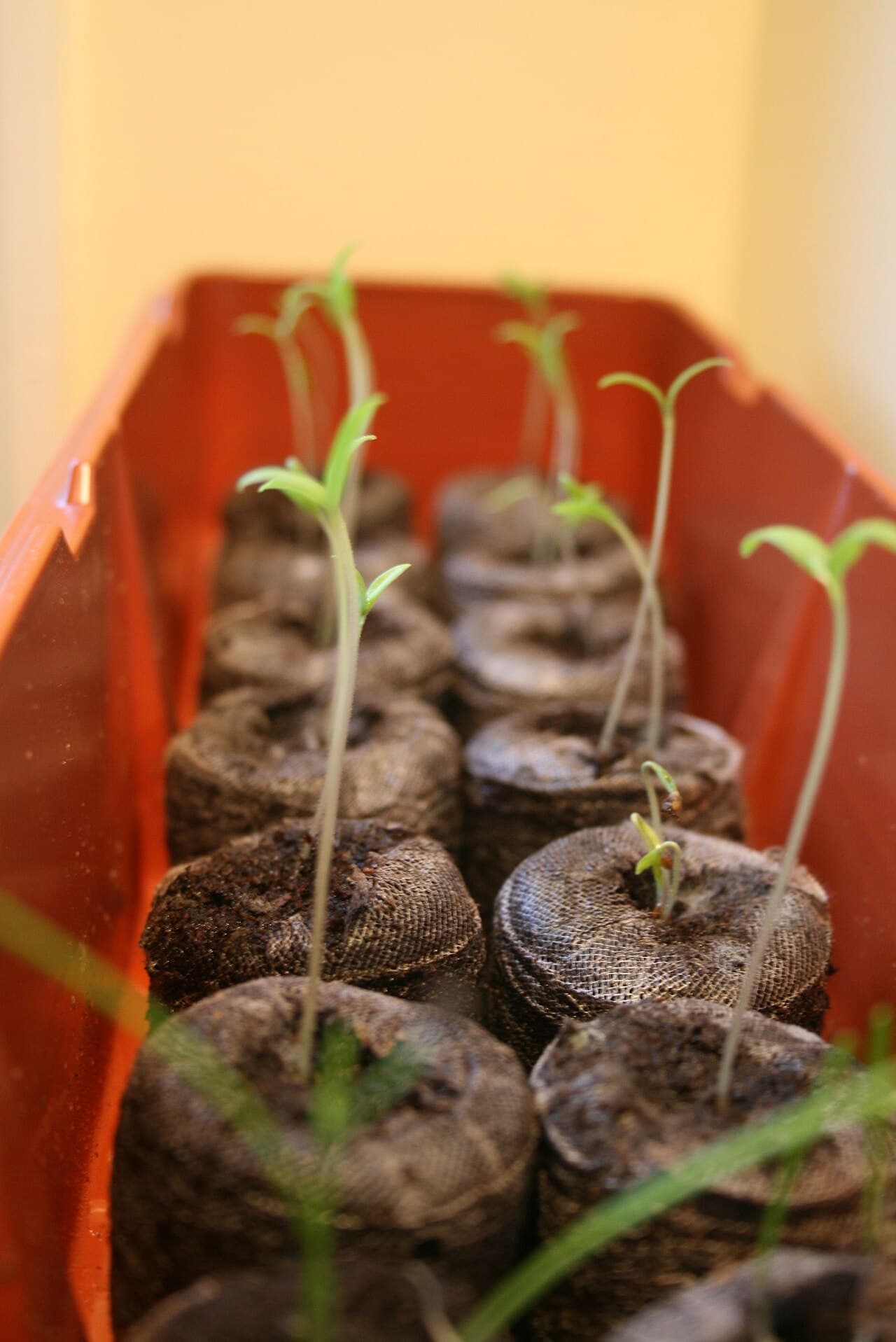
You also need to protect the bed from the late heat. A fall start is often born into a warm end of summer, so give the seedlings shade the first few days, water in the evening the first dry runs, and let them catch the cool that's coming. A cloth over the tender greens buys you weeks.
What Earns Its Keep in a Fall Bed
- Lettuce, arugula, spinach, and other cut-and-come greens thrive in the cool and keep giving until hard frost.
- Radishes go from seed to plate in three weeks and will be the fastest win of your whole year.
- Kale, chard, and many brassicas get sweet and hardy as the frost nips, not punishing.
- Garlic is the fall special, planted late autumn for next summer's harvest. It's the one crop that wants the cold.
The Honest Cons of a Fall Garden
Fall carries two costs. The first is that speed to maturity matters more, you can't paper over a slow crop here like you can in a full season. The second is that if you are hands to water through the last hot weeks, the seedlings need it or the bed goes ragged. Neither is hard; they just mean fall gardening is a plan, not a promise you make to yourself in October.
The kit that keeps fall going longer
A row cover or cloth for the cool months. The honest con is that one layer only buys a few degrees; for a household hardiness, layer two and keep it a foot off the leaves or it'll sunscreen crack on the sunniest days.
Sow on the Clock, Not the Vibes
Everything fall reproducible about fall is a date. Get your first frost into the zone lookup, count backward on a real calendar for the crops you want, and sow on that line. Most people miss near, not by a week they can't run the calendar. A September bed is not a back-up you wish for in the dark; it's your second spring.
This post contains an affiliate link; we may earn a commission at no extra cost to you.