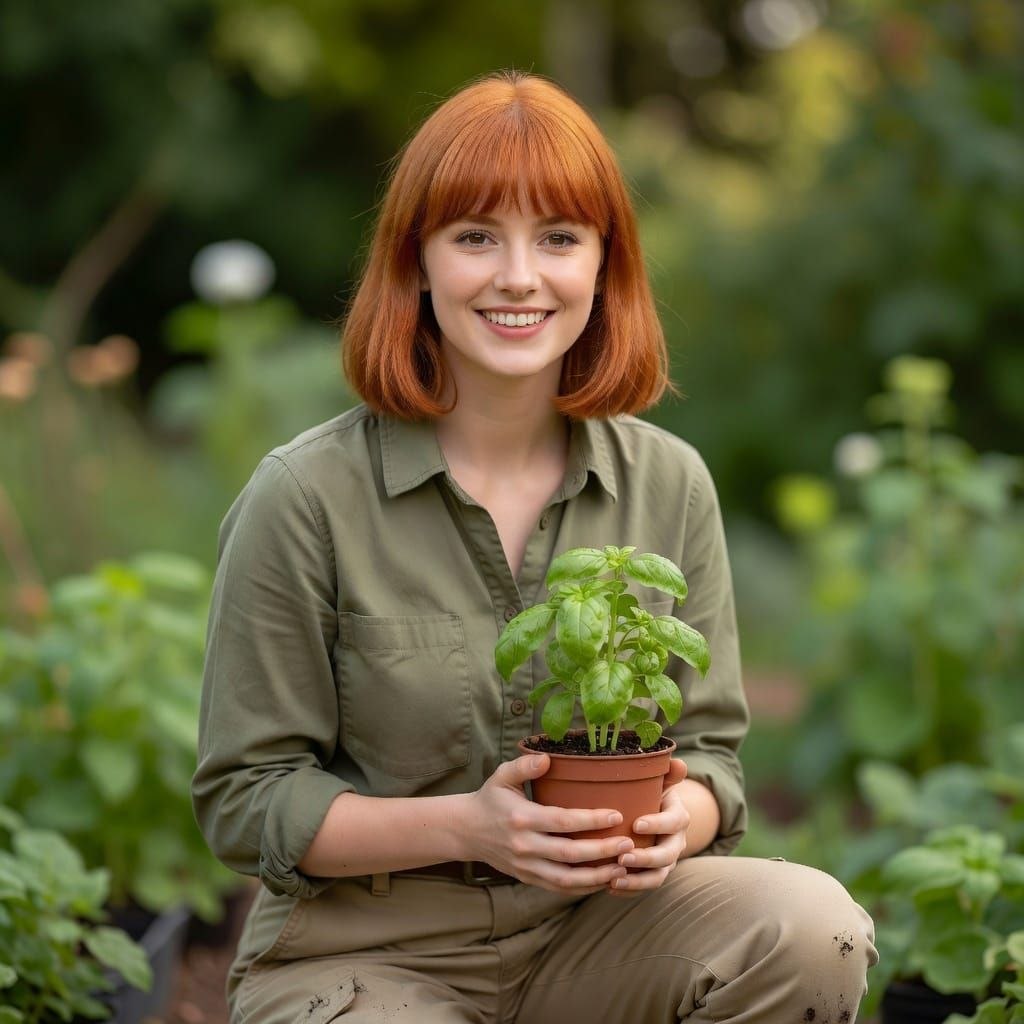
September is the second spring. The heat breaks, the soil stays warm, and the pests give up. For most gardeners it's the single best month to sow a fall garden — the problem is figuring out what's still worth planting in your zone.
Here's the honest version: if you're in a cold zone (3–5), September is about garlic, cold-hardy greens, and shutting things down with dignity. If you're in a mild or warm zone (6–10), September is a full second season — you can sow more food in the next 30 days than you did all summer.
There's a reason this rhythm feels ancient. It is. During the war years of the 1940s, close to 20 million American families planted "Victory Gardens" — parking lots, rooftops, and backyards pressed into service — and those gardens produced roughly 40% of the fresh produce the country ate in 1943. Nobody was doing it for fun. They did it because feeding your family from your own soil is a kind of independence that never really goes out of style. September sowing is the oldest trick in that book, and it still works.
Why September Sows Better Than Spring
- Warm soil, cool air. Seeds germinate fast — soil is still 60–70°F+ — while seedlings get the cool, moist air they prefer.
- Fewer pests. Cabbage worms, aphids, and summer pressure drop off hard in September.
- Less watering. Cooler days mean slower evaporation, and your hose gets a break.
The one rule that matters: count backward from your first frost date. Anything you sow in September needs enough days to mature before a hard freeze — or it needs to be a crop that shrugs off frost, and most leafy greens do. This "count back the days" trick isn't new — the Old Farmer's Almanac has been publishing frost dates since 1792, making it the oldest continuously published periodical in North America. Gardeners have been doing this math for 230 years. You're in good company.
Not sure of your zone or first frost date? Use the PlotPlanner zone lookup — it's free and takes 10 seconds.
Zones 3–5 (Cold: First frost late Sept–Oct)
Frost is close. Your window is tight. Focus on things that can handle cold or are meant to overwinter:
- Garlic — the #1 September job in cold zones. Plant mid-to-late Sept, harvest next July.
- Spinach — sows now, overwinters under a cold frame, harvests early spring.
- Arugula — fast and frost-tough, you may still get a real harvest.
- Cover crops (winter rye, clover) — feed the soil all winter, get chopped in spring.
What to skip: anything that needs 60+ warm days (beans, squash, tomatoes). Not happening in zones 3–5.
Zones 6–7 (Moderate: First frost mid-Oct–early Nov)
This is the sweet spot. You have 6–10 weeks of genuinely good growing weather:
- Radishes — 25–30 days to maturity. The fastest win in gardening; sow every 2 weeks.
- Arugula — 35–40 days. Ready before the frost clock runs out.
- Spinach — 40–50 days. Cold-hardy; even a frost improves the flavor.
- Lettuce — 45–55 days. Choose cut-and-come-again varieties.
- Kale — 50–60 days. The classic fall crop — frost makes it sweeter.
- Carrots — 60–70 days. Sow early Sept; they handle light frosts fine.
- Peas — 60–70 days. Sugar snap peas love September.
- Garlic — late Sept–Oct planting window.
Zones 8–10 (Mild/Warm)
September is prime time — this is the fall planting season:
- Brassicas: broccoli, cauliflower, cabbage, kale — transplant or sow now for a winter harvest.
- Leafy greens: lettuce, spinach, arugula, Swiss chard — your best months are ahead.
- Roots: carrots, beets, turnips, radishes — sow in waves.
- Peas & garlic: pea season returns in Sept; garlic goes in Oct–Nov.
- Warm-season rematch: in zones 9–10 you can even squeeze in a second round of fast tomatoes and peppers from transplants.
The 5-Minute September Action List
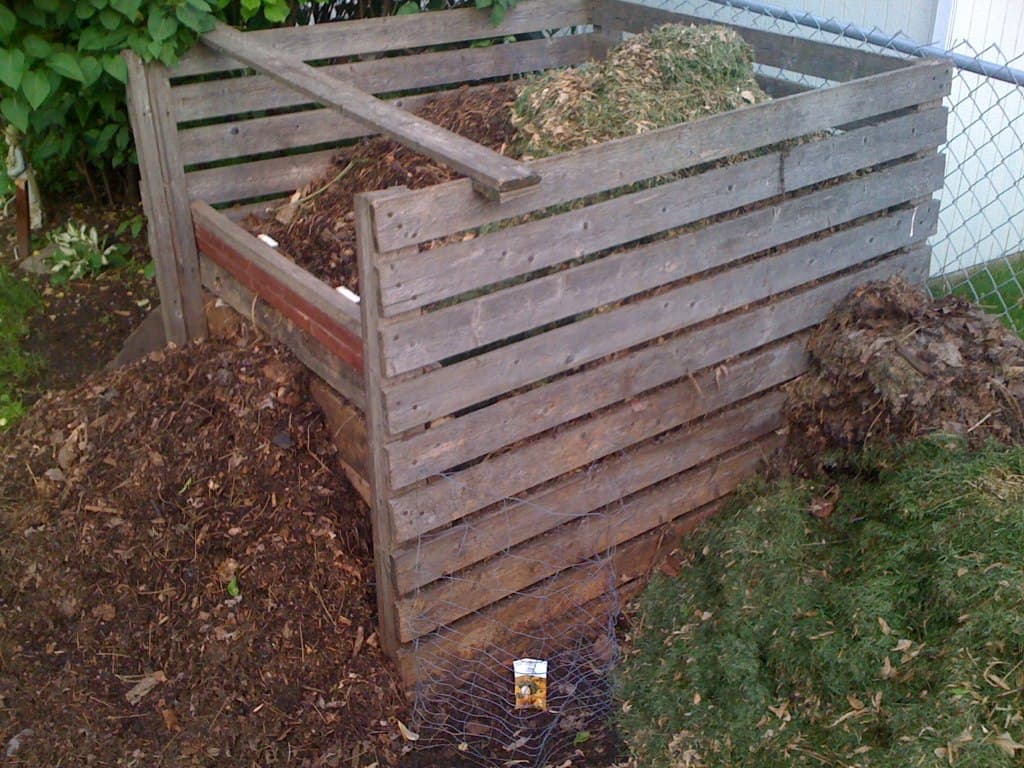
- Pull spent summer crops — anything done, diseased, or buggy goes to the compost.
- Amend lightly — add a thin layer of compost where you're about to sow.
- Sow by zone (tables above), then water in well.
- Protect the tail end — keep a row cover or cold frame ready for the first frost night.
- Order garlic early — good seed garlic sells out by October.
Where to Get Seeds
A good September sowing starts with seed that's actually suited to fall — bolt-resistant greens, short-season varieties:
- Burpee seeds on Amazon — full fall/cold-hardy catalog, fast shipping.
- Heirloom/cold-hardy varieties on Amazon — Baker Creek & other heirloom seed sellers carry the unusual overwintering stuff.
Gear That Makes September Easy
- Row cover / frost blanket — throw it over beds on cold nights to extend your season by weeks.
- Cold frame — the classic overwintering machine; a simple one adds 2 zones to your fall and spring.
- Garlic bulbs for planting — hardneck for cold, softneck for mild.
Disclosure: this post contains affiliate links; we may earn a commission at no cost to you.